

A Rwanda safari is not measured only in sightings. It is the hush of the forest before a gorilla family appears, the red-earth roads leading toward wide savanna, and the knowledge that where you stay and spend can support local communities. This Rwanda safari itinerary brings together Akagera National Park, Volcanoes National Park, and time to rest between meaningful adventures.
Six days is enough to experience Rwanda’s two very different wildlife landscapes without treating the journey like a race. Akagera offers classic game drives and big open skies. Volcanoes National Park brings you close to mountain gorillas and golden monkeys in the foothills of the Virunga Mountains. The pace matters: trekking is physically demanding, road transfers take time, and the most memorable moments often happen when there is room to notice them.
Why combine Akagera and Volcanoes National Park?
Rwanda is compact on a map, but its landscapes change quickly. In Akagera, you may look for elephants, buffalo, giraffes, zebras, lions, and rhinos on a morning drive. A few days later, you may be climbing through bamboo and rainforest in search of gorillas. Pairing these parks gives first-time visitors a fuller picture of the country while keeping the trip focused.
This route works particularly well for travelers who want one iconic gorilla trek alongside a traditional safari experience. It is also a good choice for couples, families with older children, solo travelers joining guided activities, and guests who want their travel spending to have a positive local impact.
The trade-off is travel time. The journey from Akagera to the Volcanoes area is a full overland transfer, so this itinerary protects Day 4 from unnecessary activities. If you have only three or four days, focus on Kigali and Volcanoes National Park instead of trying to fit in both parks.
A 6-day Rwanda safari itinerary
Day 1: Arrive in Kigali and settle into Rwanda
Begin in Kigali, where most international visitors arrive. Depending on your flight time, keep the first day gentle. A city tour, a locally prepared meal, or a visit to a craft market can offer a thoughtful introduction to Rwanda’s history, creativity, and everyday life.
Avoid booking a demanding activity immediately after a long-haul flight. Rest, organize your luggage, and confirm your departure time for Akagera the next morning. A safari feels more generous when you arrive with energy rather than exhaustion.
Day 2: Travel to Akagera National Park
Leave Kigali after breakfast for Akagera National Park in eastern Rwanda. The drive usually takes a few hours, depending on your departure point and road conditions. Arrive with enough time to check in, have lunch, and take an afternoon game drive.
The afternoon light can be excellent for photography, especially along the park’s lakes and open plains. Keep expectations open. Wildlife viewing is never guaranteed, and that is part of a responsible safari. A patient drive may bring giraffes moving through acacia woodland, hippos along the water, or a quiet view of elephants at a distance.
Day 3: Morning and evening safari in Akagera
Wake early for a game drive when animals are often most active. A knowledgeable guide can help you understand tracks, bird calls, animal behavior, and the conservation story behind the park. Akagera has become an important example of wildlife restoration in Rwanda, making the experience about more than checking species off a list.
Use the middle of the day to rest, enjoy your lodge, or take a boat excursion if available through your accommodation or operator. Return for an evening drive if you wish. Two game drives in one day can be rewarding, but do not feel obliged to fill every hour. A slower afternoon can be exactly what you need before the longer transfer north.
Day 4: Cross Rwanda to the Volcanoes region
Today is for the road and the changing scenery along the way. Travel from Akagera toward Musanze or Kinigi, near Volcanoes National Park. It is a substantial journey, so arrange a reliable driver, leave early, and carry water, snacks, and a light layer for the cooler mountain air.
Arriving before nightfall gives you time to settle in and prepare for trekking. Lay out rain gear, hiking clothes, gloves, and sturdy boots. Your trekking permit, passport details, and transport to the park briefing point should all be confirmed ahead of time.
For a peaceful private base close to the forest, Isange Paradise Resort’s Kinigi Private House offers a stay shaped by comfort, local hospitality, and a travel-with-purpose approach. Choosing mission-led accommodation can make the rest between adventures feel as meaningful as the adventure itself.
Day 5: Gorilla trekking in Volcanoes National Park
This is the day many travelers have dreamed about. Start early and travel to the Volcanoes National Park briefing point, where rangers assign groups based on the gorilla families’ locations and the anticipated difficulty of the hike. Your guide will explain the rules that protect both visitors and gorillas.
The trek can range from relatively manageable to steep, muddy, and strenuous. There is no completely predictable version of gorilla trekking, especially in wet weather. Hire a porter if you need support with your daypack or footing. It is a practical choice, and it creates direct income for members of the local community.
Once your group finds the gorillas, you will spend a strictly limited time observing them. The experience is quiet, close, and carefully managed. Watch a young gorilla play, a silverback settle into the vegetation, or a mother tend to her infant. Keep your camera ready, but do not let the lens replace the moment.
Return to your accommodation for a warm meal, a shower, and an unhurried evening. After a trek, comfort is not a luxury. It is part of traveling well.
Day 6: Golden monkeys, community connection, or a gentle departure
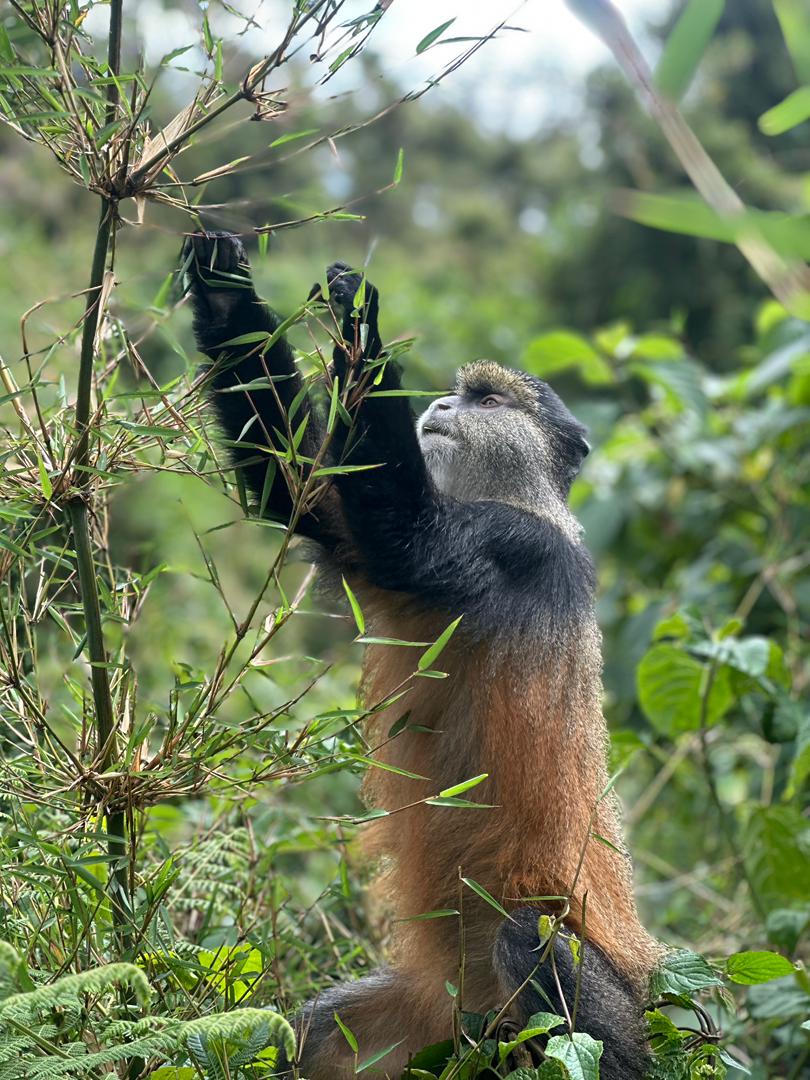
If your schedule allows, begin the final day with golden monkey trekking. These lively primates move quickly through bamboo forests, offering a wonderfully different energy from the stillness of the gorilla encounter. The hike is often shorter than some gorilla treks, though conditions can still be muddy and uneven.
Alternatively, choose a cultural experience, visit local artisans, enjoy a coffee, or spend a few quiet hours in the garden before returning to Kigali for an evening flight. This choice depends on your departure time and your energy level. Leaving space for a final local experience can help the trip feel connected rather than rushed.
What to book first for a Rwanda safari itinerary
Gorilla permits should guide the entire plan. Secure your desired trekking date before confirming flights and lodging, particularly during popular travel months. Permit availability, park procedures, and prices can change, so verify current requirements through an authorized tour operator or the relevant park authorities.
Next, reserve transportation and your park stays. Rwanda’s roads are generally accessible, but private transfers make this particular route easier, especially when traveling from Akagera to the north. A driver-guide can also add context to the journey and handle timing around park briefings.
Finally, decide how much structure you want. Travelers who value independence may prefer private transfers and selected guided activities. Those who want fewer logistics may choose a fully arranged itinerary. Neither approach is automatically better. The right choice depends on your budget, confidence, group size, and interest in flexibility.
Pack for the forest, not just the photos
The Volcanoes region can be cool, wet, and muddy even when the day begins clear. Bring waterproof hiking boots with good grip, a rain jacket, long pants, and gardening-style gloves to protect your hands from stinging plants. A small backpack, reusable water bottle, sunscreen, insect repellent, and an extra pair of dry socks are equally useful.
For gorilla trekking, wear muted colors rather than bright clothing. Bring a camera, but pack it carefully against rain and avoid flash. A walking stick is often available at the briefing area, and many guests find it helpful on slippery slopes.
Travel with respect and leave room for wonder
A well-planned Rwanda safari should support the places and people that make it possible. Follow ranger instructions, keep a respectful distance from wildlife, reduce single-use waste, and choose local experiences that share value with communities. These choices do not take away from the comfort of a vacation. They give it greater depth.
Leave your final morning open if you can. Rwanda has a way of offering an unexpected view, a generous conversation, or a last glimpse of the volcanoes that deserves more than a glance at the clock.





Comments
Be the first to share your thoughts.
Leave a comment