A gorilla trek may be the reason many travellers first look at Rwanda, but the moments they remember longest are often smaller - sharing coffee with local growers, hearing village stories firsthand, or buying a handmade piece from the person who made it. That is where community-based tourism in Rwanda stands apart. It turns a great trip into one that feels personal, grounded, and genuinely beneficial to the people who call this region home.
For travellers heading to Northern Rwanda, especially around Volcanoes National Park, this matters. You are not just choosing where to sleep or what activity to add between treks. You are deciding how your travel dollars move through the local economy, who benefits from your visit, and what kind of experience you will bring home with you.
What community-based tourism in Rwanda really means
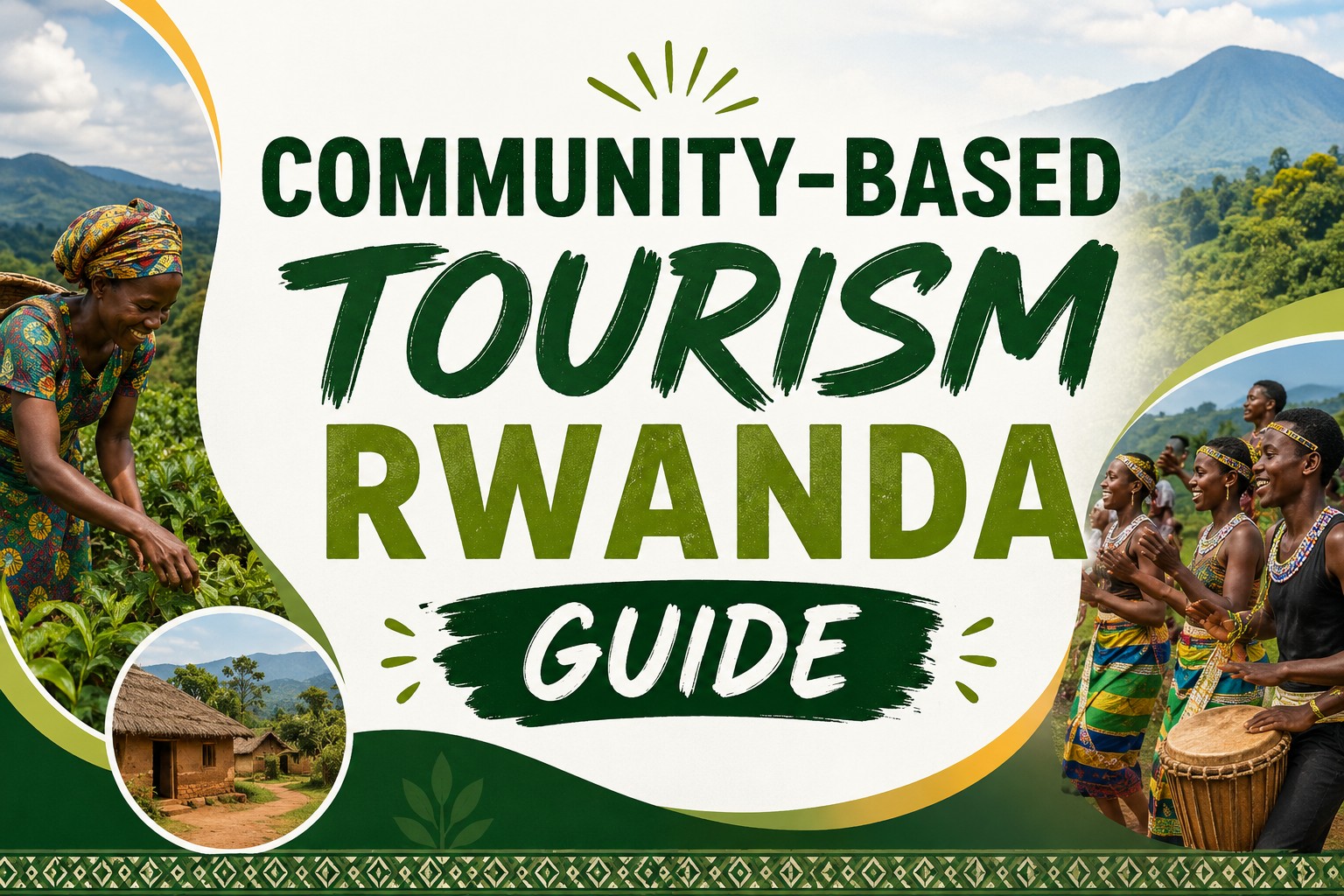
At its best, community-based tourism in Rwanda is simple. Local people do not sit at the edges of the visitor experience. They help shape it, host it, and benefit directly from it. That can include village-led cultural visits, community craft initiatives, farm experiences, local guiding, dance performances, coffee experiences, conservation-linked projects, and accommodation businesses that reinvest in social programs.
The goal is not charity dressed up as tourism. It is a more balanced model of travel where visitors receive authentic, well-run experiences and communities gain income, jobs, visibility, and long-term opportunity.
That distinction matters. Good community-based travel should still feel professional, enjoyable, and worth paying for. Travellers want comfort, reliability, and quality. Communities deserve business models that respect their time, skills, and knowledge. When those two things meet, everyone wins.
Why it matters more in Northern Rwanda
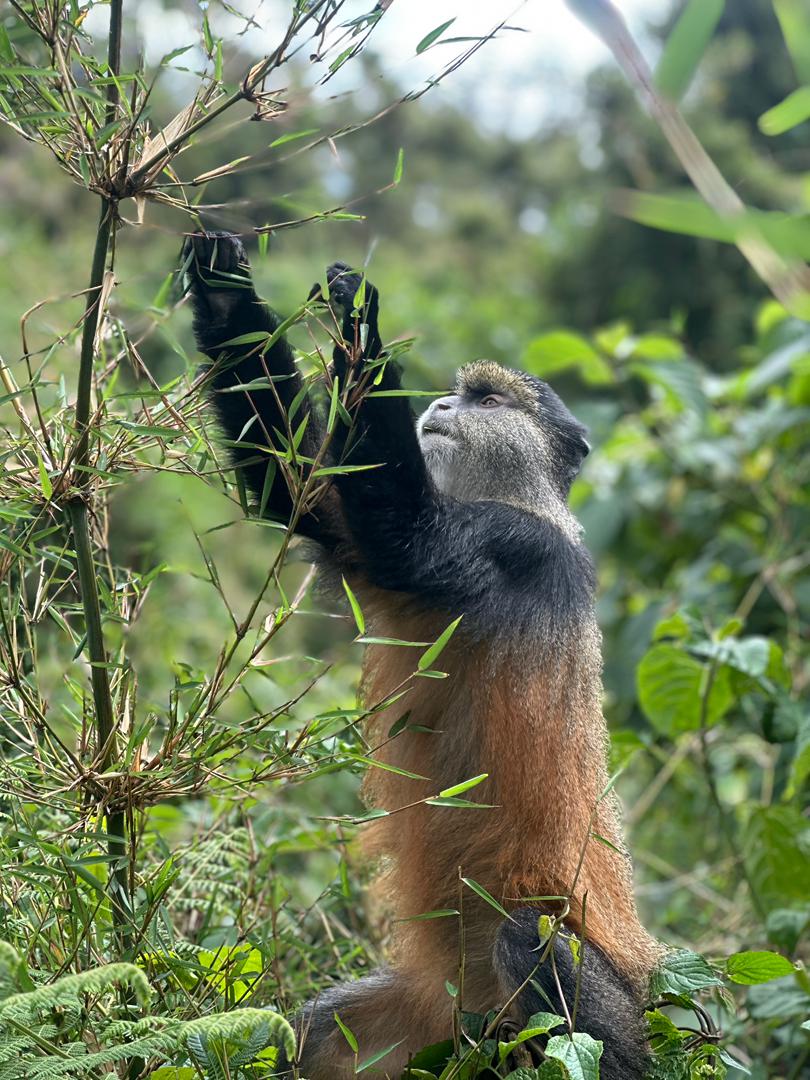
Northern Rwanda is one of the country’s most compelling regions because nature and community life sit so close together. Volcanoes National Park draws global attention for gorilla trekking and golden monkey tracking, but the wider area has its own depth. Farming communities, artisans, youth initiatives, cultural groups, and family-run businesses all form part of the visitor economy.
That creates a real opportunity. Travelers can pair bucket-list wildlife experiences with community experiences that keep more value in the area. A permit may open the door to the park, but your choices outside the park often determine how broad your impact is.
There is also a practical side to this. Community-based experiences often give visitors a fuller sense of place. Instead of seeing Rwanda only through transport schedules and trek briefings, you begin to understand daily life, local enterprise, and the resilience behind the country’s progress. For many guests, that makes the trip feel richer and more memorable.
The benefits travelers actually notice
Some travel trends sound good on paper but feel vague on the ground. Community based tourism Rwanda is different because the benefits are visible.
First, the experience often feels more human. You are more likely to have direct conversations, ask questions, and learn from people with lived knowledge of the area. That kind of exchange stays with you longer than a standard sightseeing stop.
Second, your spending tends to be more intentional. Whether you book a locally rooted stay, buy handmade products, or join a community-led activity, the connection between your purchase and local benefit is clearer. For socially aware travelers, that clarity matters.
Third, it can improve the rhythm of your trip. Gorilla trekking is extraordinary, but it can also be early, intense, and expensive. Community experiences create balance. They give you space to slow down, engage differently, and enjoy Rwanda beyond the headline attraction.
There are trade-offs, of course. Community-led experiences are not always polished in the same way as larger commercial operations. Timing may be more flexible. Infrastructure may be simpler. That is not a problem if expectations are set well, but it is worth knowing in advance.
How to choose the right community-based experiences
Not every experience marketed as ethical travel is equally meaningful. Some use the language of impact without sharing much value locally. A little discernment goes a long way.
Start by asking who runs the experience and who benefits financially. If the answer is unclear, that is useful information. Strong community-based tourism usually makes its social value easy to understand.
Then look at quality, not just purpose. Ethical travel should not mean lowering standards across the board. A well-organized stay, a thoughtful host, fair pricing, and clear communication all matter. In fact, they are part of what makes a community-centered tourism model sustainable.
It also helps to think about your own travel style. Some visitors want immersive cultural interaction. Others prefer a comfortable accommodation base and a few carefully chosen local experiences around their main adventure plans. Both approaches can work. The right choice depends on your schedule, budget, and how much structure you want.
Community-based tourism in Rwanda, and where you stay
Accommodation plays a bigger role in impact than many travellers realise. Where you stay affects not only comfort and logistics, but also whether your trip supports local jobs, local sourcing, and community programs.
This is especially relevant around Volcanoes National Park, where visitors often compare convenience, price, and atmosphere. A purpose-driven eco-stay can offer all three while extending the value of your booking beyond the room itself. That may include local employment, partnerships with nearby suppliers, environmentally conscious operations, and profit models tied to education or health initiatives.
For travelers who want both meaningful impact and an easy base for trekking, this kind of stay makes sense. You do not have to choose between comfort and conscience. You can have a peaceful garden setting, good food, practical access to park activities, and the confidence that your stay supports something tangible. That is part of what makes Isange Paradise Resort appealing to travelers who want to stay with purpose.
What meaningful tourism looks like on the ground
The best community experiences rarely feel forced. They feel natural, respectful, and specific to the place you are visiting.
In Rwanda, that may mean spending time with local coffee producers and understanding what goes into cultivation and roasting. It may mean visiting artisans and seeing the skill behind woven, carved, or stitched products rather than treating them as simple souvenirs. It may mean hearing directly from community members involved in education, entrepreneurship, or conservation-linked work.
These experiences can be powerful because they add context to the landscape. The volcanoes are stunning, but they are not separate from the people living nearby. Community-based tourism helps travellers see that relationship more clearly.
It also helps avoid a common mistake in high-profile destinations: reducing the region to one iconic activity. Rwanda offers much more than a single trek, and travellers who leave room for local connections usually come away with a deeper appreciation of the country.
A better fit for values-led travellers
For eco-conscious travellers, couples planning a special trip, solo visitors seeking a more grounded experience, and families who want their vacation spending to mean something, this approach is a strong fit. It blends adventure with responsibility in a way that feels concrete.
That said, community-based travel is not about trying to prove you are a better tourist. It is about making thoughtful choices that improve the experience for both guests and hosts. Sometimes that means selecting a socially rooted accommodation. Sometimes it means adding one local activity instead of another. Sometimes it simply means slowing down long enough to engage.
You do not need to redesign your entire itinerary for your trip to have impact. A few intentional decisions can change the quality of your experience and the value your visit creates.
Why does this model have staying power?
Travellers are getting better at spotting the difference between branding and real substance. They want memorable stays, but they also want to know their money is not disappearing into a model with little local return. That is one reason community-based tourism in Rwanda continues to matter.
It reflects a wider shift toward travel that feels accountable, place-specific, and human. Not performative. Not abstract. Just better aligned with what many modern travellers actually want: comfort, authenticity, and visible impact in the same journey.
If you are planning time near Volcanoes National Park, choose the experiences that let Rwanda feel personal. Wildlife may be the headline, but community is what gives the trip its depth.





Comments
Be the first to share your thoughts.
Leave a comment