

A gorilla trek lasts a few remarkable hours. Its effects can last much longer - for the forest, the guides who lead the way, the families whose livelihoods connect to tourism, and the traveler deciding where to spend each dollar. That is the promise of ethical safari travel: not a perfect trip with no impact, but a more thoughtful one that leaves real value in the place that makes the experience possible.
Rwanda offers an especially meaningful setting for this choice. Around Volcanoes National Park, mountain gorillas, golden monkeys, farming communities, conservation teams, and small hospitality businesses share the same landscape. A responsible visit respects that connection. It makes room for wonder while recognizing that wildlife travel comes with responsibility.
What Ethical Safari Travel Looks Like in Practice
Ethical travel is often reduced to reusable water bottles and avoiding plastic. Those choices matter, but a truly ethical safari reaches further. It asks who benefits from tourism, whether wildlife encounters are managed with care, how workers are treated, and whether visitor money remains in the local economy.
In Rwanda, that can begin with choosing licensed guides and park experiences that follow official conservation rules. Gorilla trekking groups are limited, distances are monitored, and visitors are asked to follow health and behavior guidelines. These rules are not there to make an experience feel restrictive. They help protect animals that are highly social, vulnerable to human illness, and central to the region's conservation success.
Ethical travel also means accepting that the best wildlife experience is not always the closest or most convenient one. If a guide asks you to step back, lower your voice, wear a mask, or leave a viewing area, that is a sign that the encounter is being managed responsibly. A respectful sighting is more valuable than a dramatic photo taken at an animal's expense.
Choose Wildlife Encounters That Put Animals First
Wild animals should never be treated as props. Before booking an activity, consider whether it allows animals to behave naturally, whether visitor numbers are controlled, and whether the operator is transparent about its practices. In a responsible safari setting, animals choose where to move, how close to come, and whether to be seen at all.
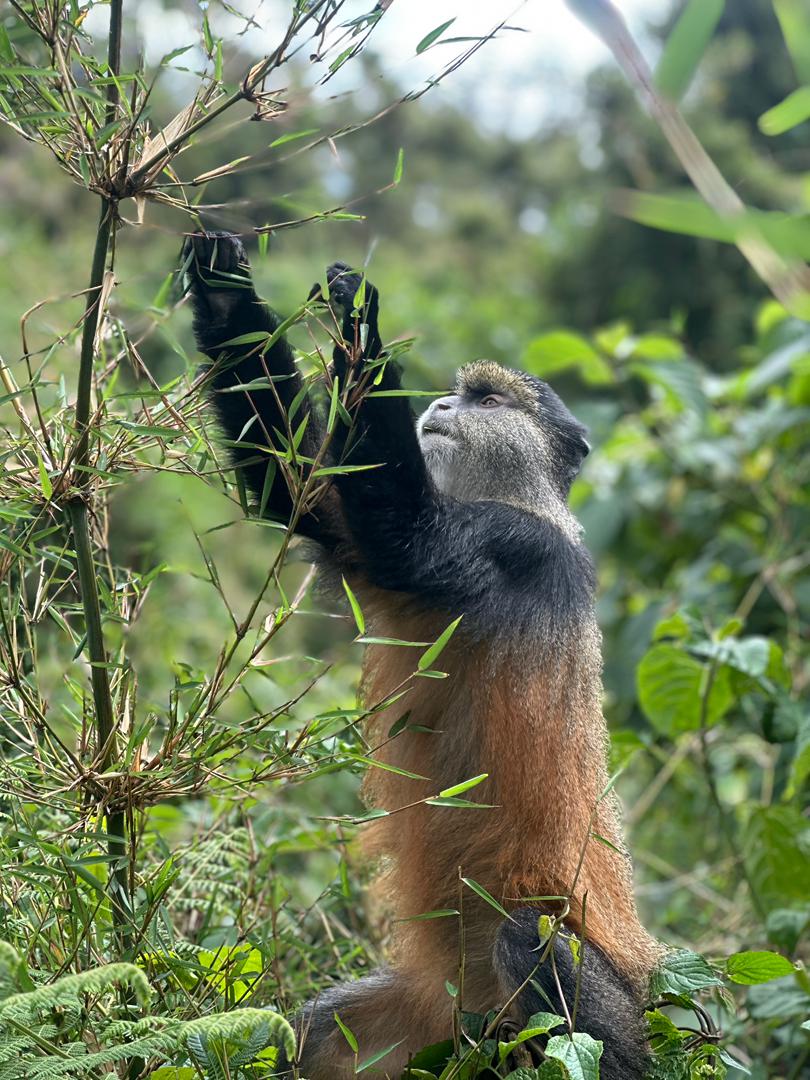
For gorilla and golden monkey trekking, preparation is part of ethical behavior. Arrive healthy, follow your ranger's instructions, keep your voice low, and do not pressure the group for a better angle. Flash photography, feeding wildlife, littering, or wandering off designated routes can disturb animals and damage fragile habitat.
There is a trade-off here: ethical encounters can feel less predictable. You may trek longer than expected, see wildlife through vegetation, or spend time waiting quietly rather than checking off a perfect view. But that uncertainty is part of being in a living ecosystem, not a staged attraction. The memory is stronger because it happened on nature's terms.
Respect the health rules
Great apes share much of our biology, which also makes them susceptible to illnesses carried by people. If you feel unwell before a trek, speak honestly with your operator or park team. Missing an activity can be disappointing, especially after planning a major trip, but protecting gorillas and the people around them is the right decision.
Keep More of Your Travel Spending Local
A safari creates the greatest local benefit when money circulates beyond the park gate. Choose locally owned accommodations, eat dishes prepared with regional ingredients, hire local guides, and buy directly from artisans when possible. These choices support livelihoods with more staying power than a single purchase from an international chain.
This does not mean every traveler must sacrifice comfort. Ethical safari travel can include a warm room, good coffee, reliable transport, garden dining, and a place to rest after an early morning trek. The question is whether that comfort is connected to fair employment, local sourcing, responsible waste practices, and a clear commitment to the surrounding community.
When shopping for handmade goods, take a respectful approach. Ask about the maker and materials, pay a fair price, and avoid bargaining so aggressively that the sale becomes unhelpful to the person who made the item. A woven basket, locally roasted coffee, or handcrafted gift can carry a story worth more than an extra dollar saved.
Community visits deserve the same care. Choose experiences led by the community or organized with its clear participation, rather than tours that make daily life feel like a spectacle. Ask before taking portraits, listen more than you speak, and treat people as hosts and peers, not as scenery for a travel story.
Stay With Purpose, Not Just Convenience
Your accommodation is one of the most practical decisions you make on a safari. It affects where your money goes, how much driving your itinerary requires, and what kind of local impact is supported while you sleep.
Look for clear, specific commitments rather than broad green claims. A property should be able to explain how it reduces waste or energy use, where it buys food and services, how it employs and trains local people, and which community initiatives it supports. “Eco-friendly” is meaningful only when there are practices behind it.
For travelers visiting Volcanoes National Park, staying near the trekking area can also reduce unnecessary early-morning transfers and give more time to enjoy Northern Rwanda at a gentler pace. Isange Paradise Resort welcomes guests who want that balance of comfort, nature, and purpose, reinvesting 100% of its profits into education, health, and community initiatives through Future 4 Kids.
It is also worth considering what you genuinely need. A private house may suit a family or small group that values shared time and space. A room can be an excellent fit for couples and solo travelers. An adventure tent may appeal to guests who want a closer connection to the outdoors. Choosing the right format can prevent waste while making your stay feel more personal.
Travel More Thoughtfully Between Experiences
The ethics of a safari are shaped by small daily decisions as well as the headline adventure. Carry a refillable bottle when safe drinking water is available. Pack out what you bring into natural spaces. Use electricity and hot water with care, especially in areas where resources and infrastructure can be stretched.
Transport deserves consideration, too. Rwanda's rolling roads and mountain landscapes are part of the journey, but repeated private transfers can add cost and emissions. For some itineraries, sharing a vehicle, grouping activities by location, or spending an extra night in one place is a better choice. It depends on your schedule, physical needs, and travel companions, but slower planning often creates a more rewarding trip.
Give yourself time beyond the trek. Visit a coffee experience, enjoy a local meal, take a guided bike ride, or simply spend an afternoon in a garden instead of racing to the next destination. A less crowded itinerary reduces pressure on you and on the people serving your trip. It also creates more opportunities for genuine conversation.
Ask Better Questions Before You Book
Ethical travel is easier to support when travelers ask direct questions. Before reserving lodging, tours, or transport, ask how local people are employed, whether guides are properly trained and paid, how wildlife rules are enforced, and whether community partnerships are ongoing rather than occasional donations.
No operator will be perfect. A small local business may have fewer resources for polished sustainability reports, while a larger company may have formal policies but less direct local ownership. Look for honesty, measurable action, and a willingness to explain decisions. The strongest travel partners do not use purpose as decoration. They build it into how they operate.
Avoid judging a destination through a single lens. Tourism can create jobs, fund conservation, and support cultural exchange, but it can also bring pressure on land, prices, and local routines. Traveling ethically means holding both truths at once and making choices that increase the benefits while reducing the harm.
The most meaningful safari souvenir may be the knowledge that your journey helped keep a landscape, a livelihood, and a future opportunity within reach. Travel with curiosity, spend with care, and let Rwanda's extraordinary wildlife remind you that being a guest is a privilege.





Comments
Be the first to share your thoughts.
Leave a comment