
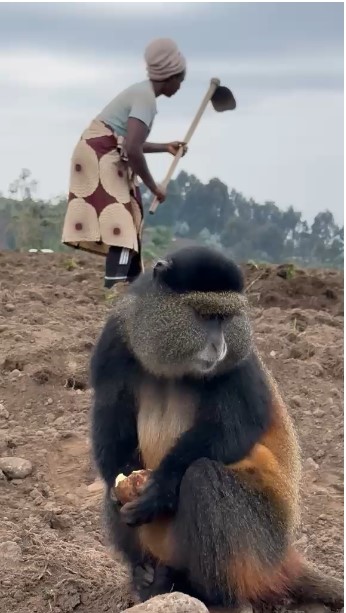
A morning in Volcanoes National Park can lead to two very different encounters: a silverback resting quietly among wild celery, or a bright-furred golden monkey springing through bamboo overhead. When travelers ask about golden monkeys versus gorillas, the best choice is not simply about seeing a rarer animal or taking the famous photo. It is about the pace, physical effort, budget, group makeup, and kind of memory you hope to bring home from Rwanda.
Both treks support protected wildlife and create meaningful reasons for communities to benefit from conservation. Both begin early, require park permits, and reward travelers who are ready for changing mountain weather. Yet they feel distinctly different once the forest closes around you.
Golden Monkeys Versus Gorillas: The Essential Difference
Gorilla trekking is intimate, deliberate, and often emotional. After hiking with expert park guides and trackers, visitors spend a strictly limited hour with a habituated gorilla family. You may watch infants tumble over one another, mothers feed at close range, or a powerful silverback settle into the vegetation with startling calm. The experience is quiet, closely managed, and deeply personal.
Golden monkey trekking is livelier and more playful. Golden monkeys are smaller primates with warm orange-gold fur, dark faces, and quick, curious movements. They live largely in bamboo forest, often in sizeable groups, so there is usually plenty happening at once. One monkey may be feeding while another bounds between stalks and several juveniles race past in a blur of color.
Neither is automatically better. Travelers seeking Rwanda's most iconic wildlife encounter often place gorilla trekking at the center of their itinerary. Those who enjoy active animal behavior, shorter forest time, or a second wildlife activity alongside gorillas may find golden monkeys a joyful complement.
What the Trek Feels Like
Gorilla trekking: patient, powerful, and unpredictable
A gorilla trek can be physically demanding, but the distance and duration depend entirely on where the assigned family is located that day. Some groups may be reached after a relatively short walk, while others require several hours of hiking through mud, dense vegetation, and steep terrain. The reward comes from knowing the family is moving freely through its natural habitat, not waiting at a fixed viewing point.
Trackers usually locate the gorillas before visitors set out, and guides adjust the route as needed. Porters are available and can make a major difference for travelers carrying a daypack or managing uneven ground. Hiring one is also a practical way to support local employment.
Once the group arrives, the energy shifts. Guides position visitors carefully, explain how to behave, and help ensure the animals remain comfortable. The hour passes quickly, but it is long enough to notice individual personalities and family relationships. For many travelers, this is the kind of wildlife experience that stays vivid for years.
Golden monkey trekking: energetic and often more accessible
Golden monkey treks also take place at altitude and can involve wet, uneven trails. Rwanda's mountain weather deserves respect, even on a trek that is generally considered less strenuous than many gorilla outings. Still, golden monkeys are often found in bamboo zones that can be reached with a shorter walk.
The experience is less still. Rather than focusing on one close-knit family, you are watching a busy troop use the forest around you. Photography can be more challenging because the monkeys move quickly and may be partly hidden by bamboo, but that motion is part of the appeal. Expect laughter, quick reactions, and a welcome reminder that wildlife rarely performs on cue.
For families with eligible older children, travelers easing into high-altitude activities, and guests who want an additional primate trek without repeating the emotional intensity of gorillas, golden monkeys can be an excellent fit. Minimum-age rules and park procedures can change, so confirm current requirements before building your itinerary.
Wildlife Viewing and Photography
Gorillas generally offer the more intimate wildlife viewing moment. Park rules require visitors to keep an appropriate distance, but dense vegetation and the gorillas' relaxed behavior can create extraordinarily close-feeling encounters. A calm observation style works best. Watch before reaching for the camera, listen for the sounds of feeding and communication, and allow the guides to lead every movement.
Golden monkeys offer more color and action. A fast shutter speed and patience are useful, but no equipment guarantees a perfect image. The most satisfying photographs often come after putting the camera down for a few minutes, learning the troop's movement pattern, then being ready when a monkey pauses in clear light.
In either trek, flash photography is not appropriate. Visitors should follow guide instructions, avoid sudden movements, and never try to move closer for a photo. The welfare of the animals comes before every shot.
Cost, Time, and Planning Trade-Offs
Gorilla permits are a premium conservation experience, and they commonly represent one of the largest costs in a Rwanda itinerary. Golden monkey permits are typically more affordable, making the trek appealing for travelers who want a meaningful primate encounter while managing their overall trip budget. Permit prices and availability can change, so it is wise to confirm them when planning rather than relying on old travel advice.
Time matters too. Both activities begin in the morning and require early preparation, transport, registration, and a briefing. Gorilla trekking may take much of the day depending on the family's location and trail conditions. Golden monkey trekking often leaves more room for a relaxed lunch, a village visit, coffee, cycling, or simply time to enjoy the gardens back at your accommodation.
That does not mean golden monkey trekking is the "easy" option. Altitude, rain, mud, and mountain trails affect everyone differently. Bring waterproof layers, sturdy hiking shoes, water, sunscreen, and clothing that can handle vegetation. A small backpack is enough for most guests, and gaiters can be useful during wet conditions.
Can You Do Both in One Rwanda Trip?
For many visitors, yes - and the two treks work especially well together. Gorilla trekking delivers the headline encounter: a rare hour spent near one of the world's most remarkable great apes. Golden monkey trekking adds a different rhythm and reveals another side of the Virunga ecosystem, particularly the bamboo habitat that supports these endangered primates.
If your itinerary allows only one trek, choose gorillas if this is a once-in-a-lifetime Rwanda journey and you are prepared for the higher cost and potentially longer hike. Choose golden monkeys if you prefer a more budget-conscious wildlife activity, love playful animal behavior, or want an experience that pairs easily with other adventures.
If you have two mornings available, doing both avoids the need to force a choice. Consider scheduling gorillas first if they are your highest priority, then golden monkeys afterward. This order gives you flexibility if weather or travel timing changes, while allowing the second trek to feel like a fresh experience rather than a substitute.
Travel With Respect for the Forest
These encounters are possible because Rwanda protects fragile habitats, applies careful visitor rules, and recognizes that conservation must also create value for nearby communities. Your permit contributes to that broader effort, but respectful behavior matters just as much. Stay with your guide, speak quietly, follow health protocols, and be honest if you feel unwell before a trek.
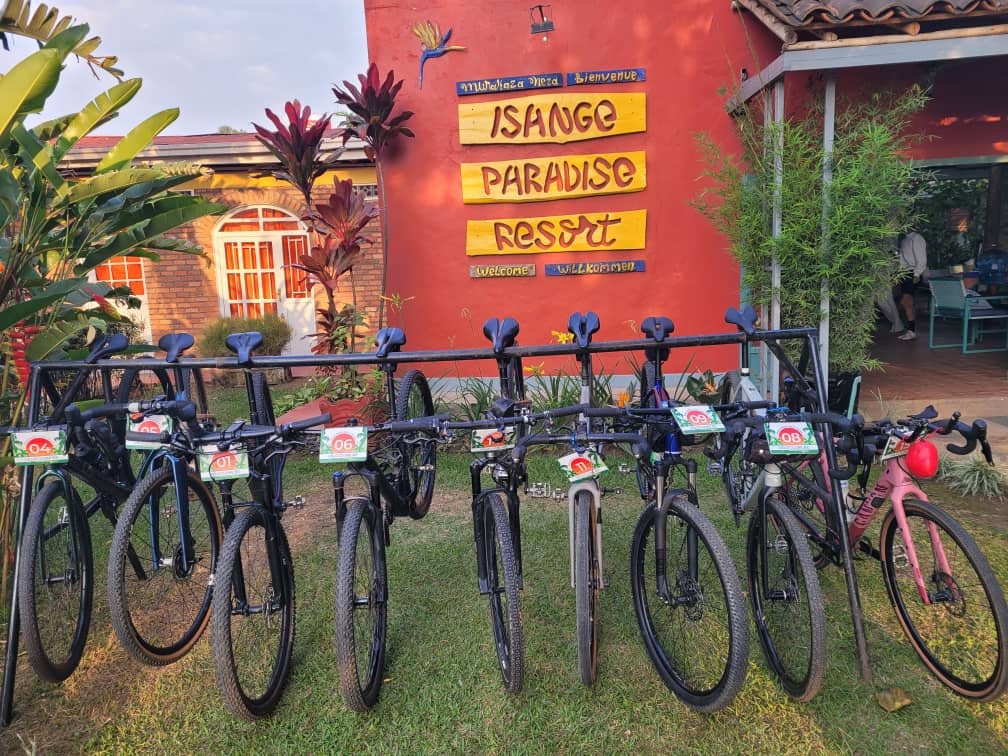
Choosing accommodation near the park can also make an early start calmer. A restful night, a prepared breakfast, reliable transfer planning, and space to clean up after muddy boots can shape the whole experience. At Isange Paradise Resort, travelers can stay with purpose while using their visit to help support community programs through Future 4 Kids.
The right trek is the one that suits your body, schedule, and curiosity. Whether you spend your hour watching a silverback's steady gaze or trying to follow golden flashes through bamboo, leave room for the unscripted moments. They are often the ones that make Rwanda feel unforgettable.





Comments
Be the first to share your thoughts.
Leave a comment