
A gorilla trek can be the highlight of a lifetime. Where travelers sleep before and after that experience can shape something more lasting. Hotel profit reinvestment gives every room night, shared meal, event, and coffee break a wider purpose: supporting the people and communities that make meaningful travel possible.
For guests, this is a simple but powerful idea. A comfortable stay should still feel like a comfortable stay - with warm hospitality, good food, a peaceful setting, and reliable service. The difference is what happens after the stay. Rather than sending profits away from the destination, a social business can direct them back into education, health, and community initiatives.
What Hotel Profit Reinvestment Means
Hotel profit reinvestment is a business model in which profits are used to create positive social or environmental value, instead of being paid out to private owners or shareholders. It does not mean a hotel ignores quality, avoids commercial discipline, or asks guests to compromise. In fact, the model depends on a healthy business. A property must welcome guests well, manage costs carefully, employ local people fairly, and earn enough to continue improving.
The reinvestment happens after business costs have been met. Revenue supports the day-to-day work of hospitality: maintaining rooms and gardens, buying ingredients, paying team members, running utilities, and delivering the services guests expect. Profit is what remains after those costs. In a purpose-led model, that profit can then fund community programs with clear, practical goals.
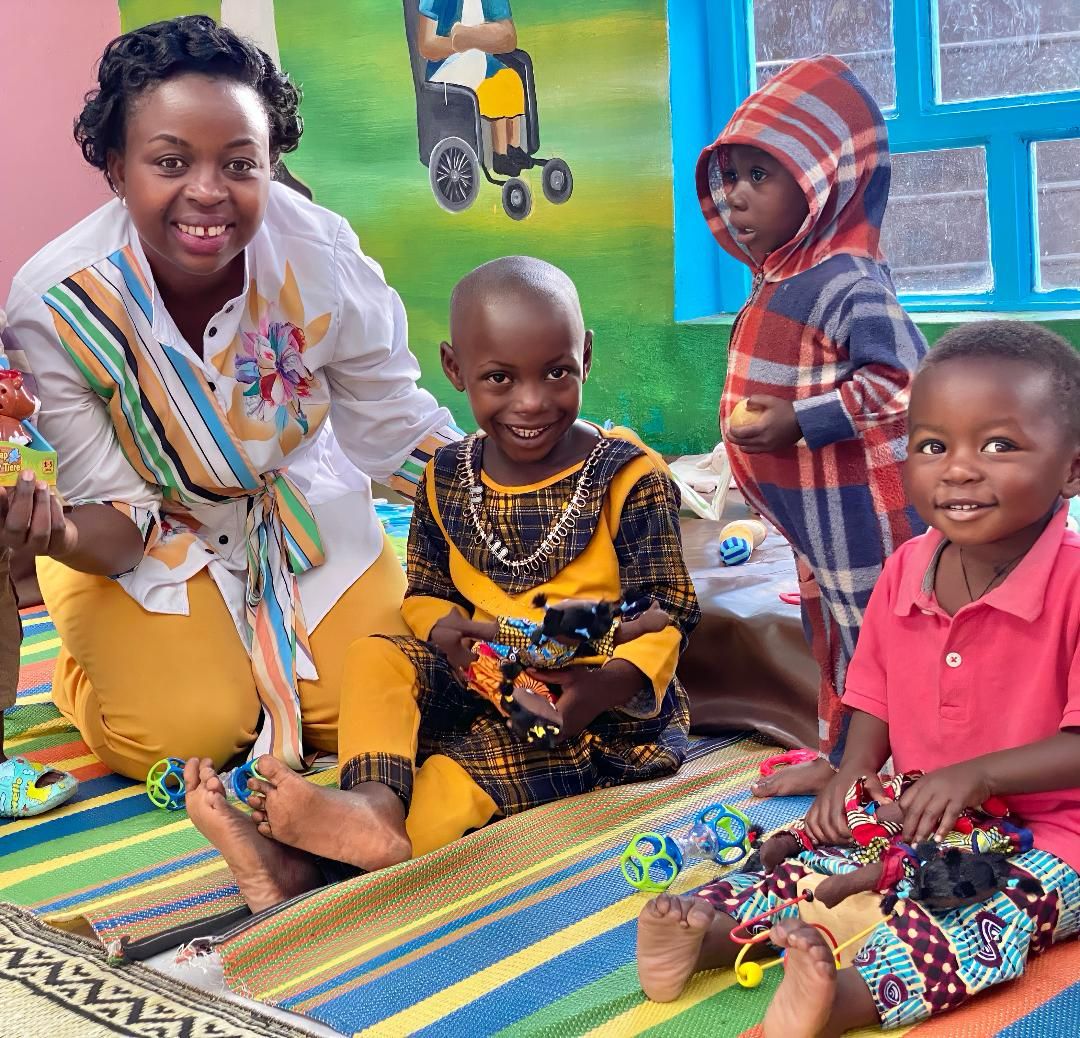
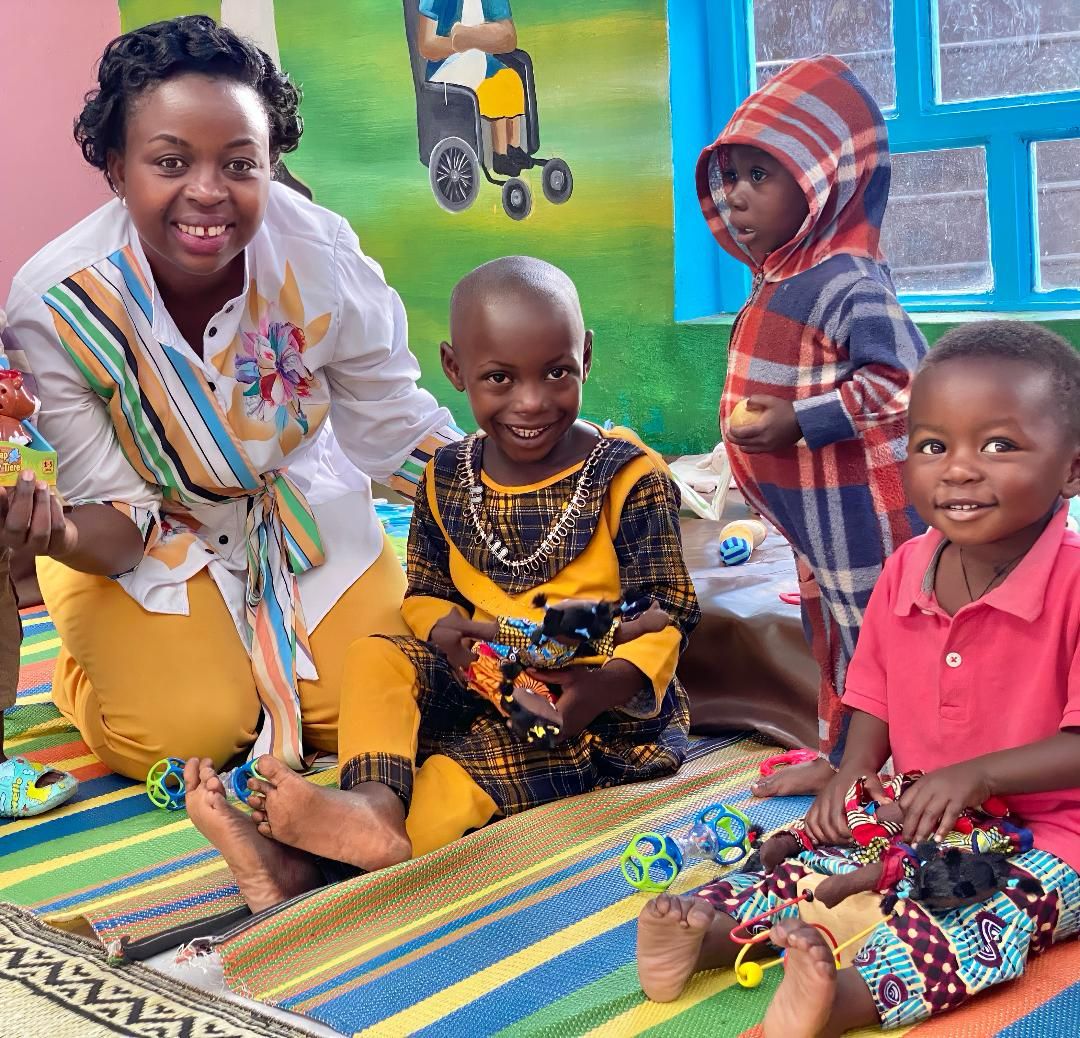
At Isange Paradise Resort, 100% of profits are reinvested through Future 4 Kids into education, health, and community initiatives. This connects travel spending to outcomes beyond the resort gates while keeping the guest experience grounded in genuine Rwandan hospitality.
Why This Matters to Travelers
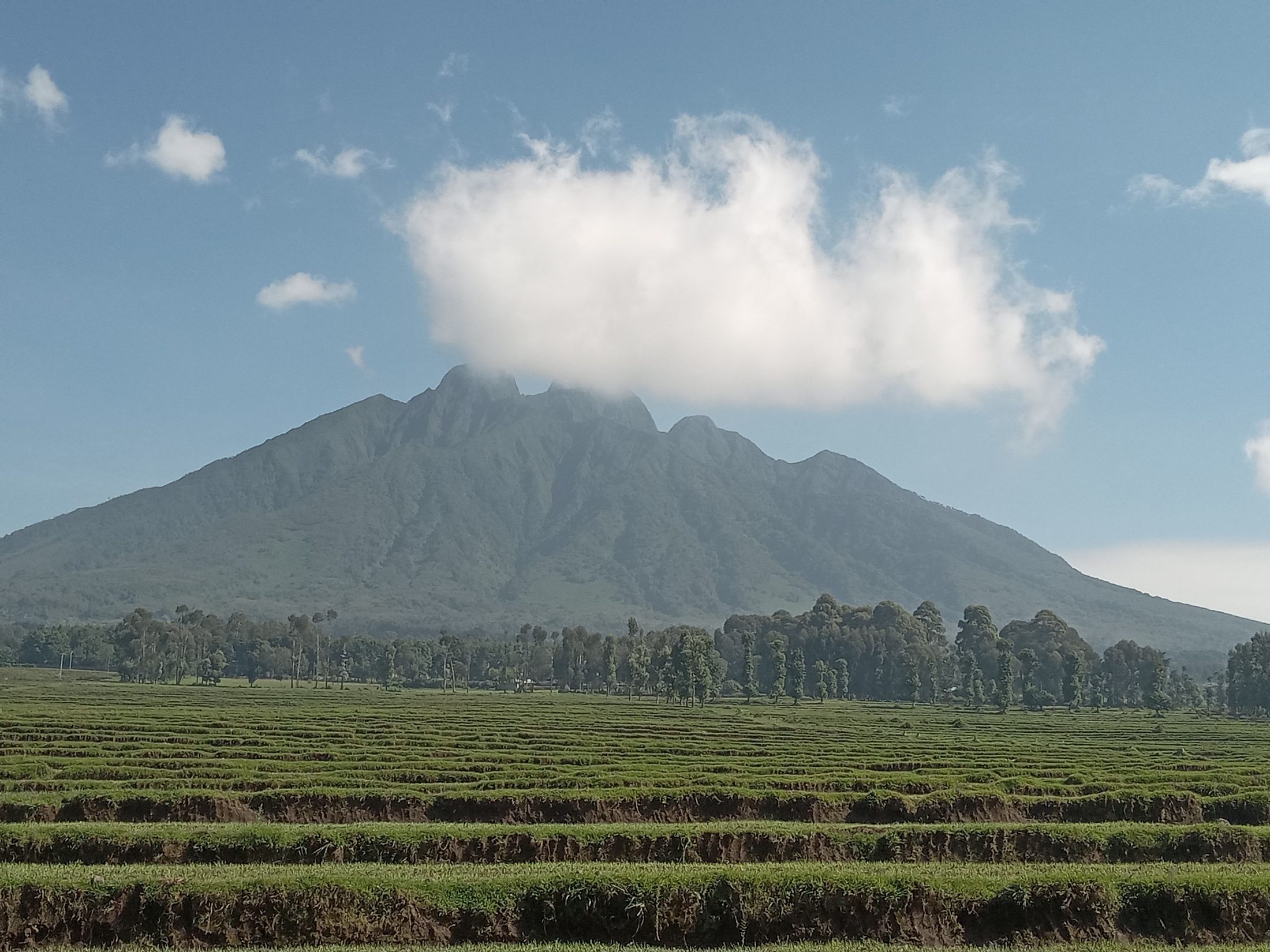
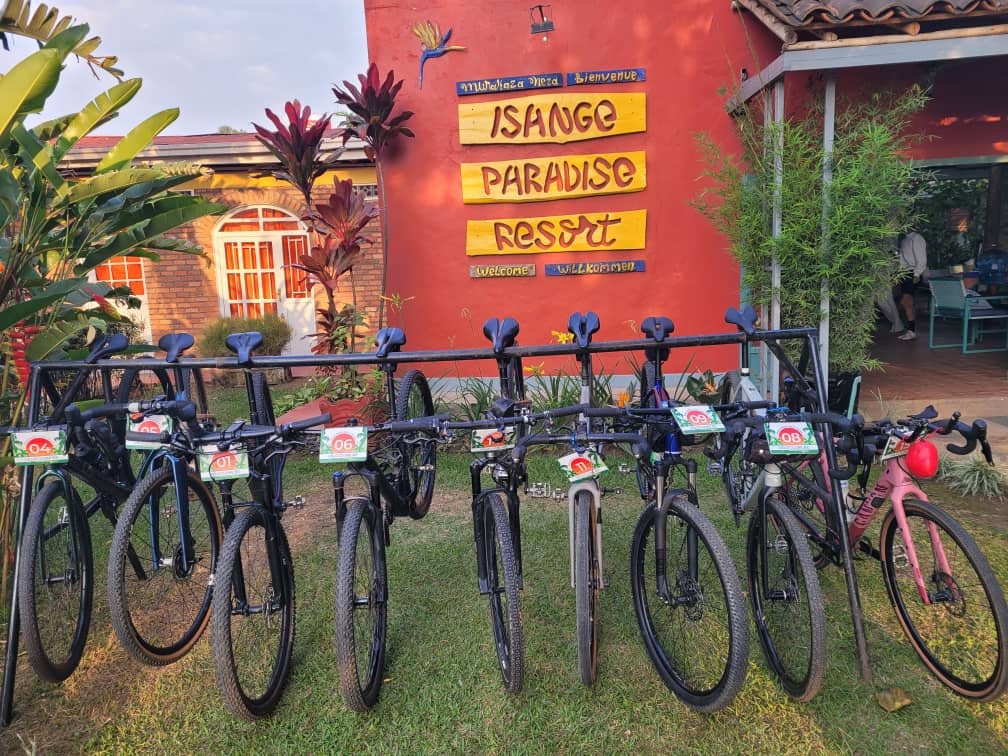
Many travelers want their visit to Rwanda to be respectful, not extractive. They come for mountain landscapes, wildlife, coffee, cycling, and the rare privilege of spending time near Volcanoes National Park. They also understand that tourism has an effect on local communities, whether intentional or not.
Choosing a stay with a reinvestment model makes that effect more direct. A guest does not need to organize a separate donation or guess whether a vague sustainability promise is meaningful. Their accommodation choice becomes part of a business designed to circulate value locally.
That said, purpose should never be used as a substitute for service. Travelers still deserve clean, comfortable lodging, helpful staff, straightforward communication, and food they look forward to sharing. The strongest social enterprises do both: they deliver a stay guests would choose on its own merits, then make the commercial success of that stay useful to others.
For couples, families, solo travelers, and small groups, this can add a welcome sense of connection. The trip remains an adventure and a chance to rest, but it also becomes a way to support a destination with care.
The Community Value Behind a Hotel Stay
The impact of reinvested profit is often more practical than dramatic. Education support may help children access learning opportunities. Health initiatives may contribute to the well-being of families. Community programs may respond to needs identified close to home, rather than imposing a solution designed elsewhere.
This is why local roots matter. Community impact is strongest when it is shaped by long-term relationships, local knowledge, and accountability. It is not about presenting guests with a polished story of need. It is about building an enterprise that recognizes hospitality and community well-being as connected.
There is also an economic effect in the everyday operation of a resort. Local employment creates income and skills. Buying food, services, and artisan goods within the area can help other small businesses participate in the visitor economy. Dining, events, and excursions can all create opportunities for local partners when planned responsibly.
No single booking solves every challenge. But repeated choices by travelers, travel agents, and tour operators can help sustain a model built for long-term value rather than short-term extraction.
A Better Question Than “Is This Sustainable?”
Sustainability is often used so broadly that it can become hard to evaluate. A useful question is more specific: where does the value from my stay go?
A responsible accommodation provider should be able to explain how it approaches waste, energy, sourcing, jobs, and community relationships. A profit-reinvestment model adds another question: what happens when the business succeeds?
The answer should be clear without overstating impact. Responsible travel is not about claiming perfection. Hospitality businesses use resources, and tourism can place pressure on destinations. The goal is to make wiser choices, measure progress honestly, and ensure that growth benefits more than the business itself.
For guests, this means looking beyond attractive photos and broad promises. Consider whether the property has a clear social mission, how it describes its local partnerships, and whether its actions reflect the story it tells. A business that can speak plainly about these choices is often more trustworthy than one relying on general labels alone.
Why It Works for Tour Operators and Travel Agents
For travel professionals, purpose-led accommodation can strengthen an itinerary without making it complicated. Clients increasingly ask where their money goes, especially when planning wildlife-focused and high-value travel. A hotel with a clear reinvestment policy gives agents a credible answer that is easy to communicate.
It also adds depth to a stay near a major adventure. A guest traveling for gorilla trekking may need practical details first: a restful night, convenient logistics, welcoming dining, space to organize gear, and a team that understands local travel rhythms. Once those needs are met, the community benefit becomes a meaningful reason to feel even better about the booking.
This is particularly relevant for small groups, retreats, celebrations, and company gatherings. Event spending can support more than a meeting room or meal. When the venue is designed as a social business, a group can align its gathering with a positive local contribution without changing the purpose of its trip.
Travel advisors should still match the property to the client. A guest seeking a large international chain experience may have different expectations from someone who values gardens, local character, and a closer connection to place. Clear positioning makes better bookings and happier travelers.
How Guests Can Make Their Stay Count
The most helpful choice is to book a property whose mission and service fit the trip. From there, guests can extend their positive impact through simple decisions: dine on-site when the food experience appeals, choose locally made gifts, consider community-minded excursion partners, and treat staff and shared spaces with respect.
Direct booking can be valuable when it gives guests clear pricing and helps the property retain more of the revenue needed to operate and reinvest. It also creates a direct line for questions about room types, private stays, group arrangements, dietary needs, or travel timing around park activities.
There is no need to turn a vacation into a checklist of good deeds. The most meaningful travel is often attentive and unforced. Enjoy the garden, share a meal, ask thoughtful questions, and choose businesses that make their commitments clear.
Stay With Purpose, Then Carry It Forward
A good hotel stay gives travelers energy for the next day’s adventure and a quiet place to reflect on the one just completed. A purpose-led stay can offer one more thing: confidence that comfort and community benefit do not have to be separate choices.
When planning time near Volcanoes National Park, choose the place that meets your practical needs and reflects the kind of visitor you want to be. The right stay can leave you with more than photographs and memories. It can help keep opportunity growing in the place that welcomed you.






Comments
Be the first to share your thoughts.
Leave a comment