
A gorilla trek is not an excursion you leave until the week before departure. Permit numbers are tightly limited, trekking groups are small, and the best dates can disappear well ahead of peak travel months. Knowing how to arrange gorilla permits early gives you more choice, protects your travel budget, and lets the rest of your Rwanda itinerary fall into place with far less stress.
For many travelers, the permit is the central booking around which flights, accommodation, drivers, and additional activities are planned. It is also a meaningful conservation contribution: permit revenue helps support protected areas, wildlife protection, and communities living alongside the forests.
Choose Your Gorilla Trekking Country First
Mountain gorillas can be visited in three countries: Rwanda, Uganda, and the Democratic Republic of Congo. Each offers a remarkable forest experience, but the logistics, permit process, road times, entry requirements, and pricing differ.
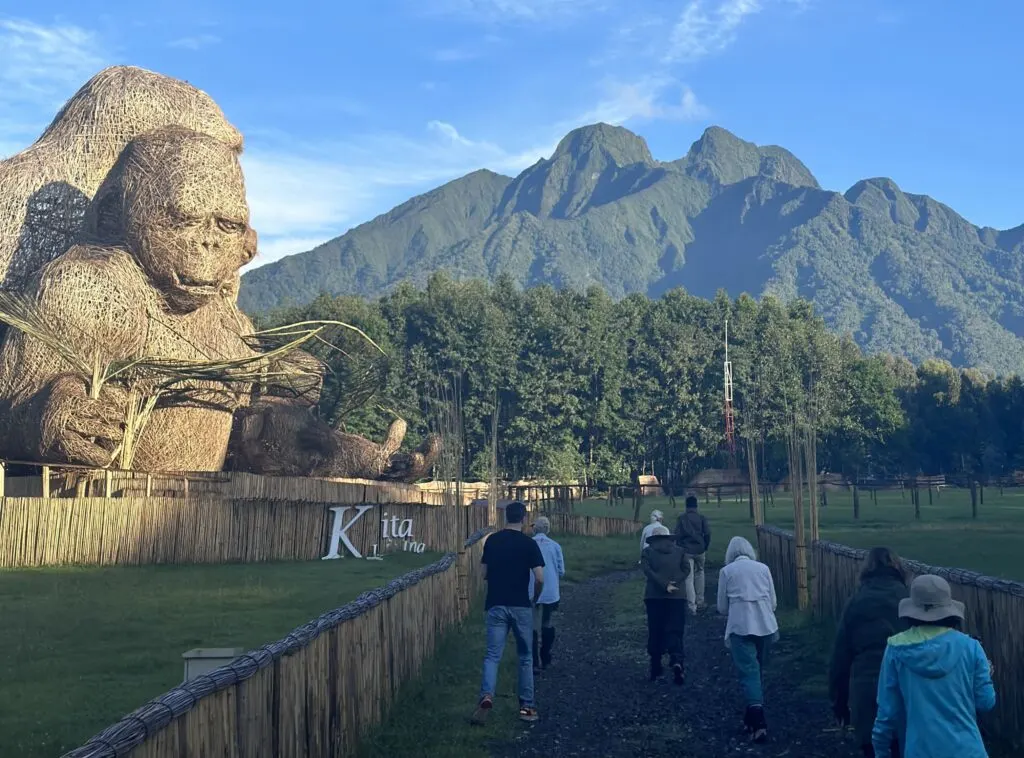
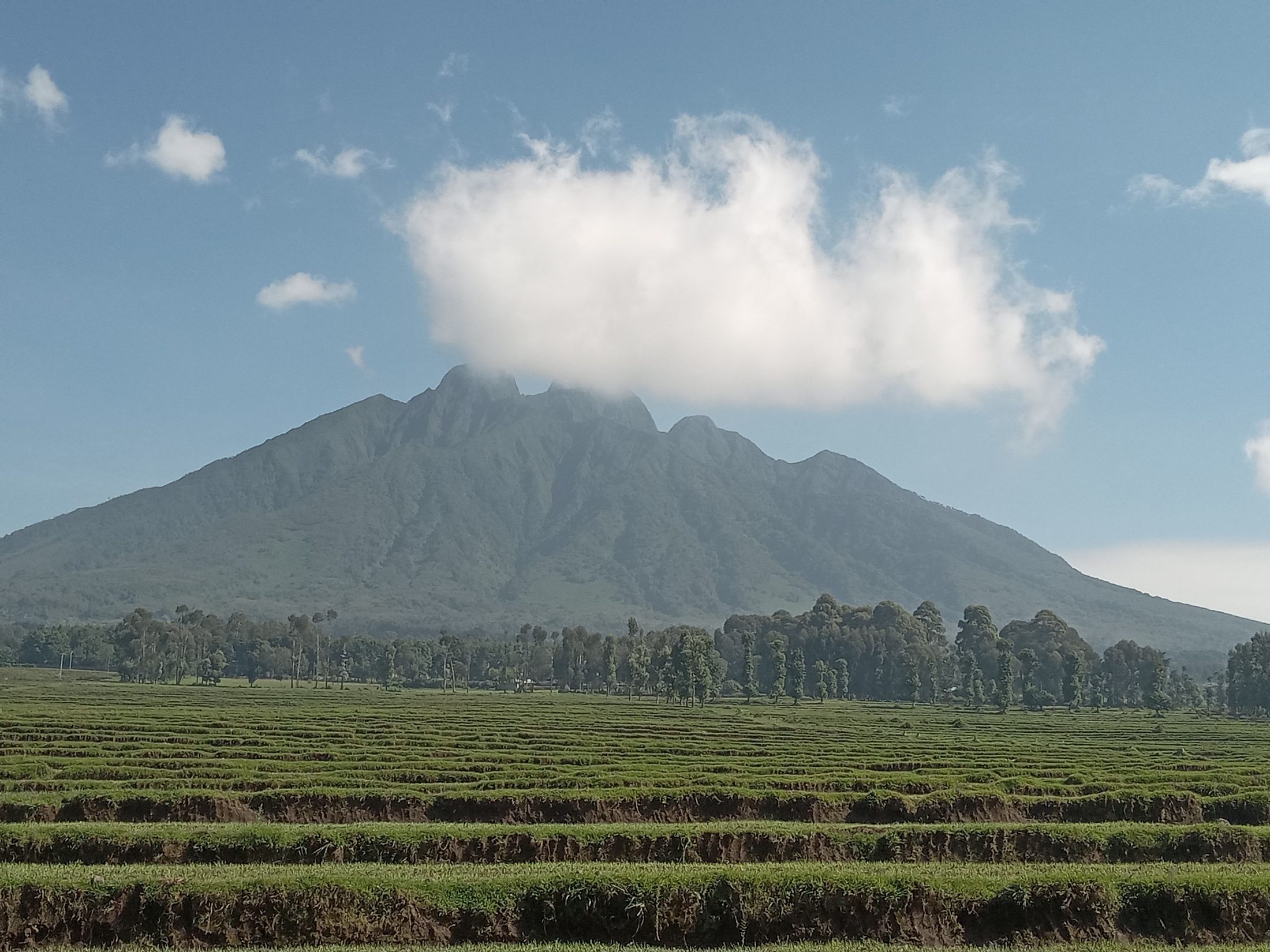
Rwanda trekking takes place in Volcanoes National Park, usually accessed from the Musanze and Kinigi area. It is often the simplest choice for travelers with limited time because the park can be reached by road from Kigali. Rwanda is also a strong option for guests who value polished logistics, comfortable lodging choices, and the opportunity to combine gorilla trekking with culture, coffee, cycling, or golden monkey trekking.
Uganda offers treks in Bwindi Impenetrable National Park and Mgahinga Gorilla National Park. It has several trekking sectors and can provide more permit availability, but travel from Entebbe or Kampala can take longer. The Democratic Republic of Congo offers gorilla trekking in Virunga National Park, though travelers should carefully review current safety guidance, border procedures, and park operating conditions before making plans.
Do not choose only by headline permit price. A lower-cost permit may be paired with extra road travel, additional overnight stays, flights, visas, or border arrangements. The best destination is the one that fits your time, comfort level, budget, and wider East Africa itinerary.
How to Arrange Gorilla Permits Step by Step
1. Start with firm travel dates
Before anyone can secure a permit, you need a preferred trekking date and at least one or two backup dates. Gorilla treks run year-round, but availability is typically most competitive during the drier months, often June through September and December through February.
Your trekking day should not be the day you arrive after a long flight or the day you need to catch an international departure. Treks begin early, and the length varies widely. Some gorilla families may be reached in under an hour, while others require several hours of hiking through steep, muddy, and high-altitude terrain.
Arrive in the park area at least the night before. If possible, keep the following day flexible too. That gives you time to rest, enjoy the gardens, visit a local community initiative, or add another adventure without rushing your journey.
2. Reserve through the official authority or a trusted operator
In Rwanda, gorilla permits are issued by the Rwanda Development Board. Travelers may arrange them directly through official channels or ask a licensed Rwanda tour operator to secure them as part of a trip.
Using a reputable operator can be especially helpful if you need transport, accommodation, airport transfers, additional permits, or guidance on entry requirements. They can check live availability, request your preferred date, explain payment terms, and build a realistic itinerary around the trek.
Whether you book directly or through an operator, ask for written confirmation that states your full name, passport details, trekking date, destination, and permit status. Never rely on a vague message that says a permit is “being held” without clear payment and confirmation details.
3. Share passport information exactly as shown
Permit reservations generally require the traveler’s full name, nationality, passport number, and travel dates. Send this information exactly as it appears in your passport. A mismatch in spelling, passport number, or nationality can create avoidable problems at check-in.
Check the permit conditions before you pay. Policies on changes, cancellations, and refunds can vary, and they may be affected by the reason for the change, the timing, and the rules in force at the time of booking. Travel insurance that covers medical cancellation and interruption is a sensible safeguard for a high-value wildlife experience.
4. Pay through a secure, documented channel
The permit is not confirmed until payment is received under the applicable booking rules. If an operator is arranging it, request an invoice that clearly separates the permit cost from transport, accommodation, guide services, and any planning fee.
Gorilla permit prices and resident categories can change, so confirm the current amount directly before making your final payment. Be cautious of unusually cheap offers, requests to transfer money to a personal account, or sellers who cannot provide official documentation. A legitimate booking should leave a clear paper trail.
5. Build your stay around the permit, not the other way around
Once your permit is confirmed, reserve lodging close enough to make the early morning park briefing comfortable. In Volcanoes National Park, travelers normally report to the park headquarters in the morning, where groups are assigned according to the gorilla family and hiking conditions.
Staying nearby means you can eat a proper breakfast, dress for the weather, and arrive calm rather than hurried. Isange Paradise Resort’s Kinigi Private House offers a peaceful base for travelers who want privacy, natural surroundings, and a stay connected to meaningful local impact.
What Your Gorilla Permit Includes
A standard gorilla trekking permit generally covers entry to the protected area for the trek, ranger guidance, and one carefully managed hour with a habituated gorilla family. The hour begins once the group reaches the gorillas, not when the hike begins.
It does not automatically cover transportation to the briefing point, porters, tips, meals, accommodation, visas, or travel insurance. This distinction matters when comparing tour packages. Ask what is included in writing, then decide whether a packaged trip or a separately arranged itinerary gives you better value.
A porter is usually paid separately and is worth considering, even for fit hikers. Porters can carry a daypack, offer a steadying hand on uneven ground, and provide paid work within the local economy. Hiring one is practical and can be a thoughtful way to spread the economic benefit of your visit.
Prepare for Trekking Day
Your permit secures your place, but good preparation shapes the experience. Wear broken-in hiking boots with grip, long pants, a moisture-wicking layer, and a rain jacket. The rainforest can be wet even during a dry season. Bring water, snacks, sunscreen, insect repellent, and a small backpack. Gardening gloves can be useful where vegetation is thick.
Fitness helps, but there is no single “normal” trek. Rangers consider conditions and may be able to take reasonable needs into account, although no specific gorilla family can be guaranteed. Be honest about injuries, mobility concerns, and your hiking experience when planning. If you are recovering from illness or have symptoms of a contagious disease, speak up. Gorillas are highly vulnerable to human respiratory infections.
At the briefing, listen closely to ranger instructions. Keep the required distance, never touch the animals, avoid flash photography, speak quietly, and follow your guide’s direction if a gorilla approaches. These rules are not formalities. They protect the gorillas and make the encounter safer for every person in the group.
Booking Mistakes That Can Cost You
The most common mistake is waiting for flights or hotels to be finalized before checking permit availability. For a gorilla-focused trip, reverse that order: check the permit first, then build the trip around it.
Another mistake is treating a permit as interchangeable between countries or parks. A Rwanda permit cannot be used in Uganda, and a permit for one date cannot simply be moved without following the applicable change policy. Travelers also sometimes book an overly ambitious route, with a long drive immediately before or after the trek. A little breathing room can turn a demanding day into a memorable one.
Finally, do not forget the wider impact of your choices. Choose responsible operators, respect park rules, buy local where you can, and allow time to experience the communities and landscapes beyond the gorillas. The most rewarding trip is not only about seeing wildlife. It is about leaving the region stronger than you found it.
Secure your permit early, keep your itinerary flexible around trekking day, and arrive ready to walk slowly, listen carefully, and be fully present in one of the planet’s most extraordinary forests.




Comments
Be the first to share your thoughts.
Leave a comment