

A Rwanda retreat is not best planned as a packed itinerary with a few meetings added between activities. The groups that leave feeling connected usually have room to breathe: a calm place to gather, one or two meaningful shared experiences, and enough practical preparation that nobody is worrying about the next transfer. If you want to organize a Rwanda group retreat, begin with the feeling you want guests to carry home - renewed focus, stronger relationships, a deeper connection to nature, or a more thoughtful view of travel.
Musanze is a natural choice for groups who want time near Volcanoes National Park while staying close to the landscapes, communities, and birdlife that make northern Rwanda so memorable. Whether you are planning for a company team, a family, a wellness group, or a group of friends, the details matter. Here is how to shape a retreat that feels welcoming, well-paced, and respectful of the place hosting it.
Start With a Clear Purpose for the Retreat
Before choosing rooms or planning excursions, define the reason your group is coming together. A corporate team may need focused working sessions and relaxed conversation after a busy season. A wellness retreat may need quiet mornings, nourishing meals, and unstructured garden time. A multigenerational family group may value accessible pacing and shared experiences more than a full schedule.
This decision guides nearly every practical choice: group size, length of stay, meal times, meeting setup, and how much time should be set aside for exploring. It also helps you communicate honestly with participants. Rwanda can be deeply restorative, but it is not a destination to rush through. Build a retreat around a few priorities rather than trying to fit in every possible activity.
For many groups, three or four nights provide a comfortable rhythm. This gives guests time to arrive, settle in, enjoy a full day in the region, meet or reflect together, and depart without feeling that the trip ended as soon as it began.
Choose Dates Around Your Group's Real Priorities
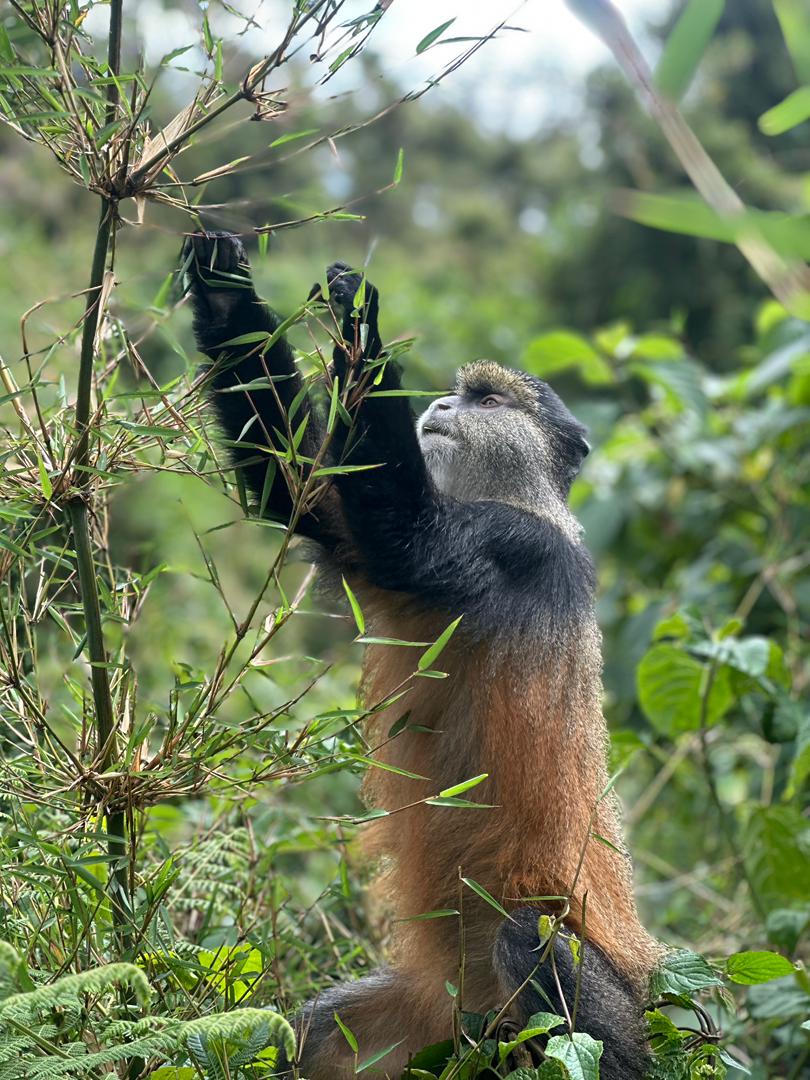
Travel dates affect more than availability. They shape trekking plans, travel times, packing needs, and the general energy of the retreat. If gorilla trekking or golden monkey trekking is a central part of the experience, plan your dates early and make permit arrangements well in advance through the appropriate channels. Trek participants should understand that mountain weather can change quickly and trails can be muddy, particularly during wetter periods.
Not every guest needs to trek. That is an important consideration when organizing a mixed group. Some travelers may prefer a peaceful morning in the garden, time with a book by the fireplace, a local outing, or a slower day after a long journey. Offering choice can make a retreat more inclusive without separating the group’s shared purpose.
Ask participants about dietary needs, mobility considerations, room preferences, arrival times, and interest in active excursions before confirming the final schedule. A simple pre-trip questionnaire prevents last-minute confusion and allows hosts to prepare with care.
Leave Space Between Arrival and Big Activities
International guests may arrive tired after long flights and road transfers. Avoid scheduling your most important workshop, welcome circle, or trek immediately after arrival. A gentle first evening with a shared meal and a short orientation sets a warmer tone.
Likewise, do not schedule a demanding activity just before departure. A final relaxed morning gives guests time to pack, exchange contact details, and enjoy the setting one last time.
Build a Retreat Schedule With Breathing Room
The best group schedules have a clear shape without becoming rigid. Start each day with one anchor - perhaps breakfast followed by a meeting, a trek, or a local experience - then allow room for individual rest and informal conversation. Those unscheduled moments are often where colleagues reconnect, families catch up, and new friendships take root.
For a work-focused retreat, keep formal sessions shorter than you might in an office. Natural surroundings invite attention, but they also invite people to slow down. Plan a focused morning session, a break for lunch, and a lighter afternoon discussion rather than filling every hour with presentations.
A balanced three-day retreat might include an arrival dinner and orientation, one dedicated meeting day, and one shared experience in the Musanze area. If trekking is included, treat it as the main event for that day. Guests will appreciate time to recover, enjoy a fresh meal, and share stories afterward.
Be realistic about road transfers and morning departure times. Early starts are common for park activities, so a late-night program the evening before is rarely wise. Good retreat planning respects people’s energy, not only the timetable.
Select a Base That Supports Connection
Where your group stays influences the entire retreat. Look beyond bed capacity. Consider whether there are comfortable areas to meet, reliable Wi-Fi for groups that need it, places for quieter conversations, and dining arrangements that let everyone come together. Privacy and proximity both matter: guests need their own space, while organizers need a setting where the group can gather naturally.
A peaceful base in Musanze also reduces unnecessary movement. Being near Volcanoes National Park makes early activity departures more manageable, while a garden setting offers a welcome contrast to a busy day of travel or trekking.
At Isange Paradise Resort, groups can combine meeting facilities, comfortable rooms and apartment accommodation, fresh restaurant meals, and time in a tropical, bird-rich garden. It is a setting designed for travelers who want to stay close to nature while making room for purposeful conversation.
Plan Meals as Part of the Experience
Shared meals should not be treated as a gap between activities. They are one of the simplest ways to create connection, especially when a group includes people who have not met before. Confirm meal times in advance, communicate dietary requirements clearly, and leave enough time for guests to eat without rushing to the next session.
Fresh food also tells a more meaningful story when it is connected to the destination. An ecological fruit and vegetable garden, for example, can support seasonal ingredients while giving guests a visible reminder that responsible hospitality is built through everyday choices, not broad claims.
Make Responsible Travel Practical
A retreat can have a positive impact without turning every moment into a lesson. The most respectful approach is to make responsible choices part of the plan and explain them plainly.
Encourage guests to carry refillable water bottles where appropriate, use water thoughtfully, and pack clothing that can be worn more than once. Choose a retreat base that uses resources carefully, such as solar energy and solar water heating, and that values its natural setting. These decisions may feel small, but for a group, small habits add up.
Just as important, choose experiences that treat local people and culture with respect. Avoid presenting communities as an attraction or asking guests to participate in activities that feel performative. Instead, seek genuine local experiences, listen carefully, pay fairly for services, and give guests context about Rwanda beyond the wildlife itinerary.
If your group would like its stay to connect with community development, make that connection honest and proportionate. At a social hospitality property, guests may learn how their visit contributes to initiatives such as Future 4 Kids. The purpose is not to make travelers feel heroic. It is to help them understand that where they stay and spend can support meaningful local work.
Communicate Clearly Before Guests Arrive
A calm retreat begins before the plane lands. Send one clear pre-departure guide with the itinerary, meeting points, weather expectations, packing advice, emergency contact details, and a respectful introduction to the destination. Keep it useful rather than overwhelming.
For trekking guests, recommend sturdy hiking shoes, rain protection, a daypack, and layers for cool mornings. For all guests, suggest modest, comfortable clothing, sun protection, and a willingness to adapt to changing conditions. Rwanda rewards flexibility.
Group leaders should also name one main contact person and decide how updates will be shared. A messaging group can be useful for real-time arrival information, but guests should not have to search through dozens of messages to find the next day’s plan. A printed or clearly formatted daily schedule remains helpful.
Give the Ending the Same Care as the Welcome
The last gathering does not need to be formal. A breakfast conversation, a short reflection in the garden, or a chance for participants to share one thing they will take home can give the retreat a sense of completion. For corporate groups, this can be a useful moment to turn ideas into next steps. For friends and families, it can simply be a chance to appreciate the time together.
When you organize a Rwanda group retreat with care, the goal is not to create a perfect schedule. It is to create the conditions for people to be present: with one another, with Rwanda’s remarkable natural surroundings, and with the value of travel that leaves room for both rest and positive contribution.






Comments
Be the first to share your thoughts.
Leave a comment