
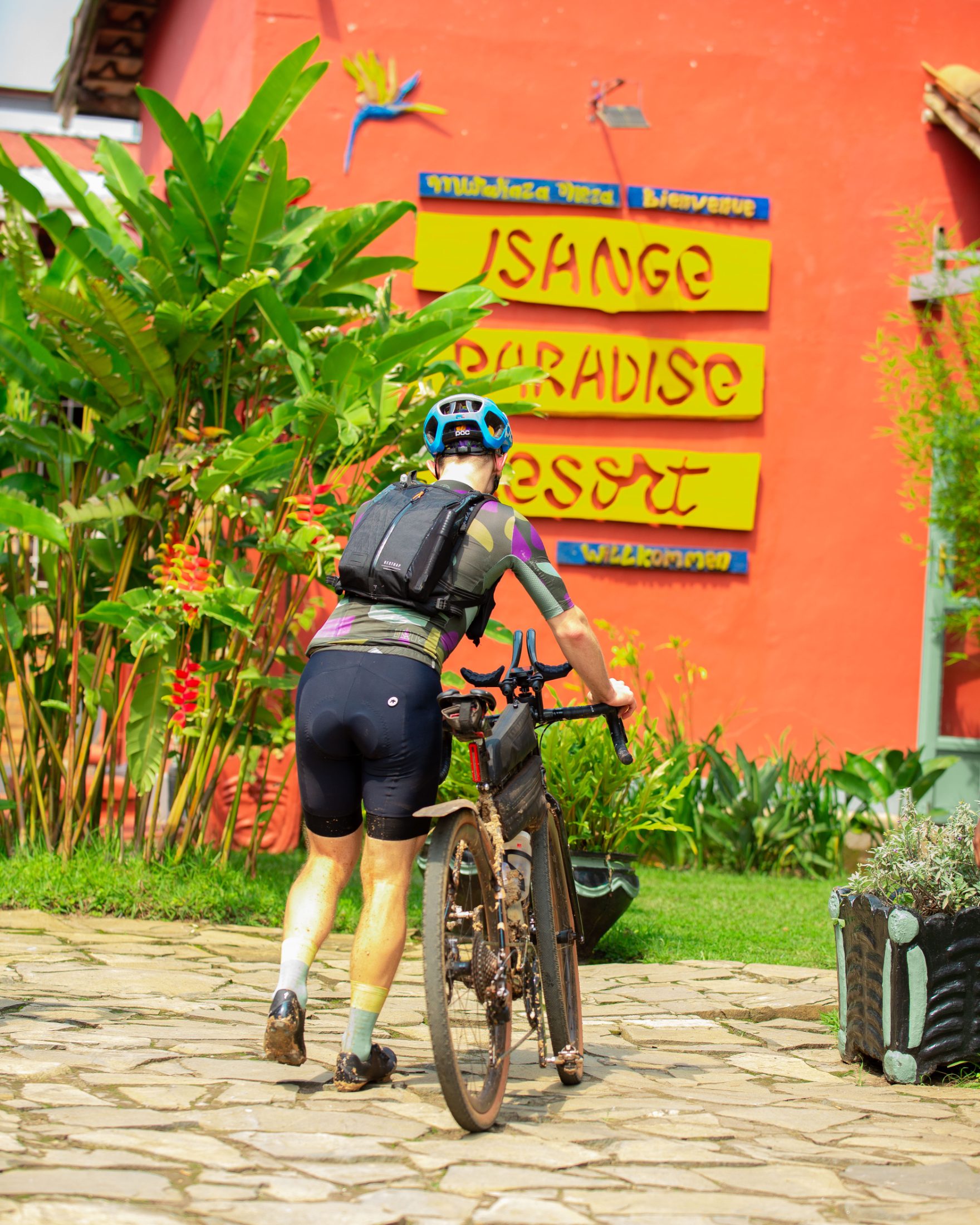
Rwanda rewards cyclists who arrive ready to slow down. The roads can lead past volcanic views, small farms, busy trading centers, and quiet stretches where birdsong carries across the hills. Planning Rwanda cycling trips is less about chasing the longest distance and more about choosing a pace that leaves room for the landscape, the weather, and the people you meet along the way.
For travelers visiting Musanze before or after gorilla trekking, a bicycle can offer a different connection to the area. You notice the rich red earth, the rhythm of daily life, and the scale of the Virunga volcanoes in a way that is easy to miss from a vehicle. A good plan makes that experience safer, more comfortable, and more respectful.
Start With Your Riding Style
Rwanda is often called the Land of a Thousand Hills, and cyclists quickly understand why. Even routes that look modest on a map can include steady climbing, quick descents, and changing road surfaces. This does not mean every trip needs to be a hard endurance challenge. It means route choice should match your fitness, confidence, and time.
A confident road cyclist may enjoy longer paved routes between towns, especially when traveling with a local guide or support vehicle. Mountain bike riders may prefer rural lanes and unpaved sections, where wider tires and a relaxed approach are useful. Families, casual riders, and travelers with limited time are usually better served by shorter rides close to their accommodation, with planned stops rather than ambitious mileage.
Before setting off, decide what you want most from the day. Is it exercise, scenery, photography, village life, or simply fresh air after a trek? A route designed around one clear purpose is usually more enjoyable than trying to fit everything into a single ride.
Planning Rwanda Cycling Trips Around Weather
Rwanda’s high elevation often brings pleasant daytime temperatures, but conditions can change quickly. Mornings are generally the best time to ride. The air is cooler, roads are calmer, and you are more likely to finish before afternoon rain develops.
The drier periods, usually from June through September and from December through February, can make road conditions easier for cycling. Still, weather patterns vary, especially in the northwestern highlands around Musanze. Rain can arrive outside the expected season, and a sunny morning can become misty or wet later in the day.
During wetter months, cycling remains possible with the right expectations. Dirt roads may become muddy, visibility can drop, and descents need more caution. Bring a light waterproof layer, protect your phone and documents in a dry bag, and leave extra time. If the forecast looks unsettled, choose a shorter route with easy options to turn back.
Choose Routes for Conditions, Not Just Views
The most beautiful-looking route is not automatically the best ride for your group. When choosing a cycling route, consider road surface, elevation, traffic, daylight, and access to help if someone gets tired or has a mechanical problem.
Paved main roads can be smoother, but they may have faster traffic and narrow shoulders. Rural roads can feel quieter and offer more immediate contact with the countryside, although surfaces may be uneven. On either type of road, ride predictably, stay aware of pedestrians and livestock, and expect the unexpected around bends and market areas.
For first-time visitors, local knowledge is valuable. A local cycling guide can help select routes suited to current road conditions, explain the places you pass, and make communication easier when needed. Guided riding is especially sensible for longer distances, remote routes, or groups unfamiliar with Rwanda’s terrain.
In Musanze, plan a ride that works around your Volcanoes National Park activities. Gorilla and golden monkey trekking starts early and can be physically demanding, so many travelers prefer cycling on a separate day. If you want to ride after a trek, keep it gentle and short. Your legs may tell you more than your itinerary does.
Give Climbs and Descents Equal Respect
The climbs are memorable, but descents deserve just as much attention. Gravel, rain, potholes, pedestrians, and sudden changes in surface can all affect braking distance. Do not assume a downhill section will be quick.
Use both brakes smoothly, keep your weight balanced, and avoid riding beyond the distance you can see clearly ahead. A helmet is essential, and gloves can improve control while protecting your hands if you fall. If a descent feels uncomfortable, there is no shame in getting off and walking a section. The view is still there.
Pack for a Self-Sufficient Day
A well-prepared rider is more relaxed, particularly outside major towns. Your bicycle should be checked before departure: tire pressure, brakes, gears, chain, lights, and the fit of your helmet all matter. If you are renting a bike, take a few minutes to test it rather than discovering an issue on the first hill.
Carry enough water for the route and more than you think you will need on a warm day. Add snacks that travel well, such as fruit, nuts, energy bars, or bread. Small shops may be available along many routes, but do not rely on finding exactly what you need at the right time.
For a full-day ride, bring a basic repair kit with spare tubes, a pump or inflator, tire levers, and a multi-tool. Also carry a charged phone, some local currency, identification, sunscreen, a rain layer, and a small first-aid kit. If you are cycling with others, agree on a simple plan for punctures, fatigue, or separation before you leave.
Ride With Respect for Communities and Nature
Cycling gives visitors a close view of everyday Rwanda. That proximity is a privilege. Greet people warmly, ask before taking photographs of individuals, and avoid blocking paths, driveways, or busy roadside stalls while you stop for a photo.
Ride slowly through villages, schools, and markets. Children may wave or run alongside briefly, and people walking, carrying goods, or moving livestock always have priority. A friendly greeting in Kinyarwanda, such as “Muraho,” can open a moment of connection without turning it into a performance.
Responsible travel also means managing what you carry. Bring a reusable water bottle, keep wrappers until you can dispose of them properly, and avoid leaving anything on the road or trail. Choose refillable containers where possible and use water thoughtfully at your accommodation. These small habits support the clean, healthy landscapes that make a cycling journey worthwhile.
Build Rest Into the Route
The strongest cycling itineraries leave space for pauses. Stop for a drink, admire the volcanoes when the clouds lift, or take time at a local food spot when appropriate. Rwanda’s hills set their own rhythm, and a ride becomes more enjoyable when you do not treat every stop as lost time.
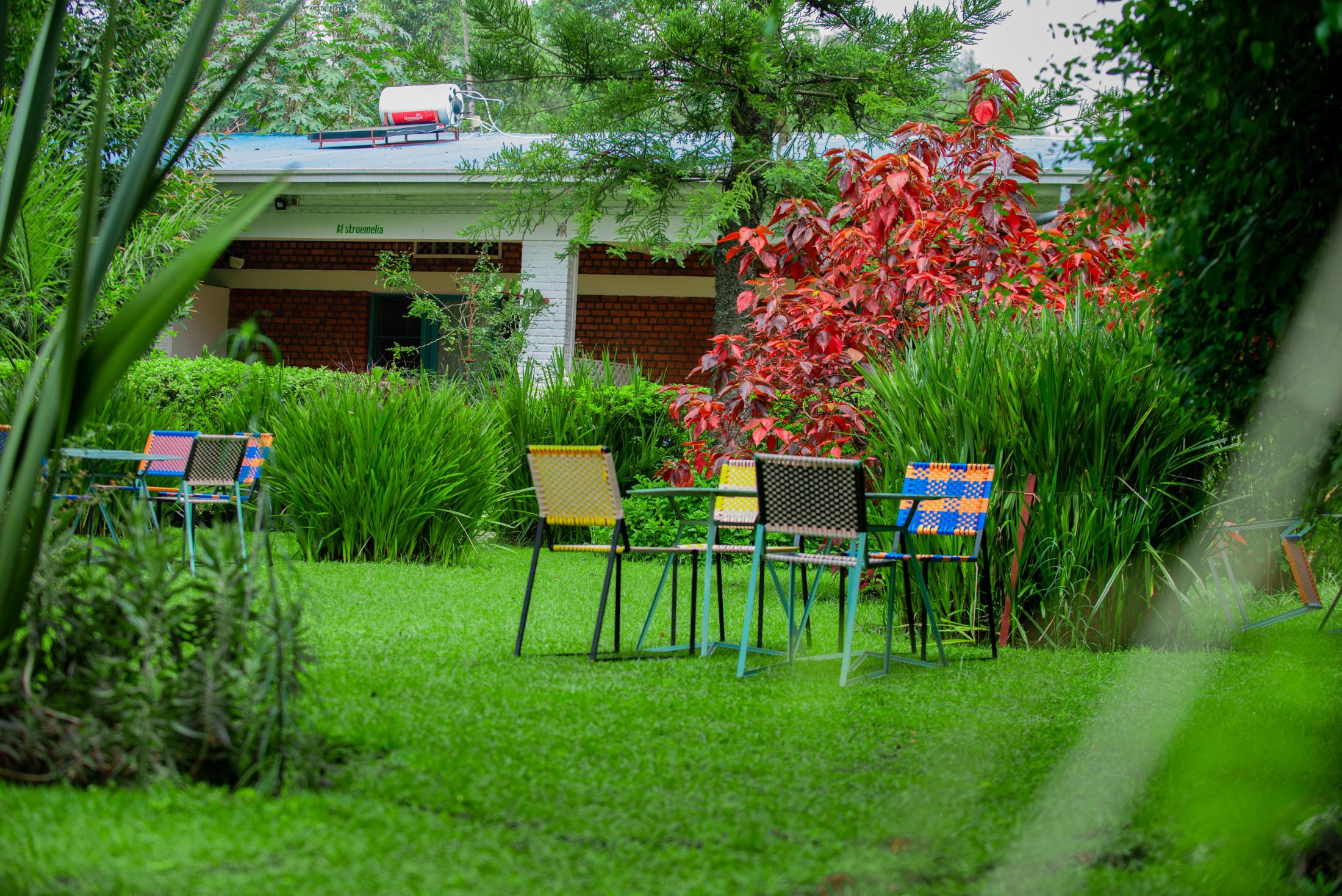
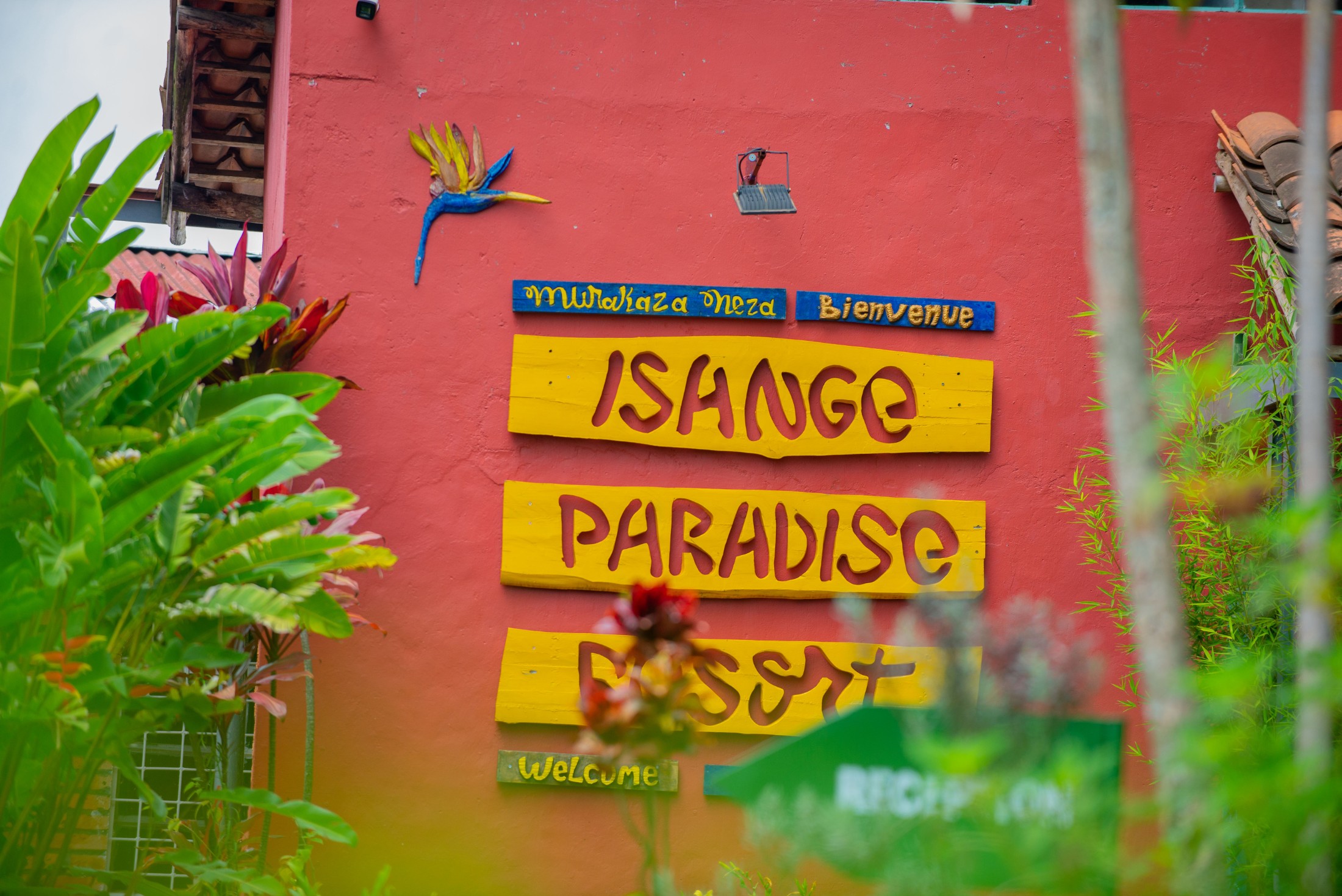
A peaceful base in Musanze can make this easier. At Isange Paradise Resort, guests can rest in a garden setting before or after exploring, while practical initiatives such as solar energy, solar water heating, water conservation, and fruit and vegetable growing reflect a thoughtful approach to hospitality. A stay here also contributes to community development through Future 4 Kids, allowing your visit to carry purpose beyond the road.
For multi-day trips, alternate challenging rides with easier days. Consider pairing a longer cycling day with time in the garden, a relaxed meal, or a short walk. This is particularly helpful if your itinerary also includes trekking, travel days, or early park departures.
Plan the Details Before You Pedal
Confirm your route, bike arrangements, start time, and expected finish before the evening prior. Tell someone where you are going, especially if riding independently. Download offline maps if you use a navigation app, but do not depend entirely on a screen. Batteries fail, signals vary, and a wrong turn can add much more climbing than expected.
It is also wise to ask locally about current conditions. Road works, rain, community events, and traffic patterns can change the character of a route from one week to the next. Flexibility is part of good travel planning, not a sign that the plan has failed.
The best Rwanda cycling day may not be the one with the highest elevation or the most kilometers. It may be the ride where you stop often, listen carefully, greet people kindly, and return with tired legs, a clear mind, and a deeper respect for the hills that carried you.






Comments
Be the first to share your thoughts.
Leave a comment