

A gorilla trek can be the defining moment of a Rwanda trip. But the story should not end when the trek ends. Regenerative tourism Rwanda invites travelers to consider what their visit leaves behind: stronger local livelihoods, respected culture, protected landscapes, and benefits that remain long after the journey home.
For visitors to Volcanoes National Park, this is not about making a perfect trip or giving up comfort. It is about choosing a stay, meals, guides, and experiences that help Northern Rwanda thrive while giving you a more meaningful connection to the place.
What regenerative tourism in Rwanda really means
Sustainable tourism aims to reduce harm. Regenerative tourism goes further by asking whether tourism can actively improve the social and natural systems it depends on. In Rwanda, that means travel that contributes to conservation, supports local enterprise, values community knowledge, and creates opportunities that would not exist without responsible visitors.
This distinction matters around Volcanoes National Park. Travelers come for rare wildlife, volcanic scenery, and the chance to see mountain gorillas in their natural habitat. Those experiences rely on healthy ecosystems and on communities that have a real stake in protecting them.
A regenerative approach recognizes that conservation and community well-being are connected. When families have access to jobs, education, health support, and reliable income through tourism, conservation becomes part of a shared future rather than an outside demand.
It also asks more of travelers than a reusable water bottle. Reducing waste remains worthwhile, but regeneration involves where your money goes, whose work you value, how you behave in a community, and whether your itinerary allows for genuine local exchange.
Why your choices around Volcanoes National Park matter
Musanze and Kinigi are gateways to one of Africa’s most celebrated conservation areas. They are also lived-in places with farms, businesses, craftspeople, families, schools, and traditions that deserve attention beyond a park itinerary.
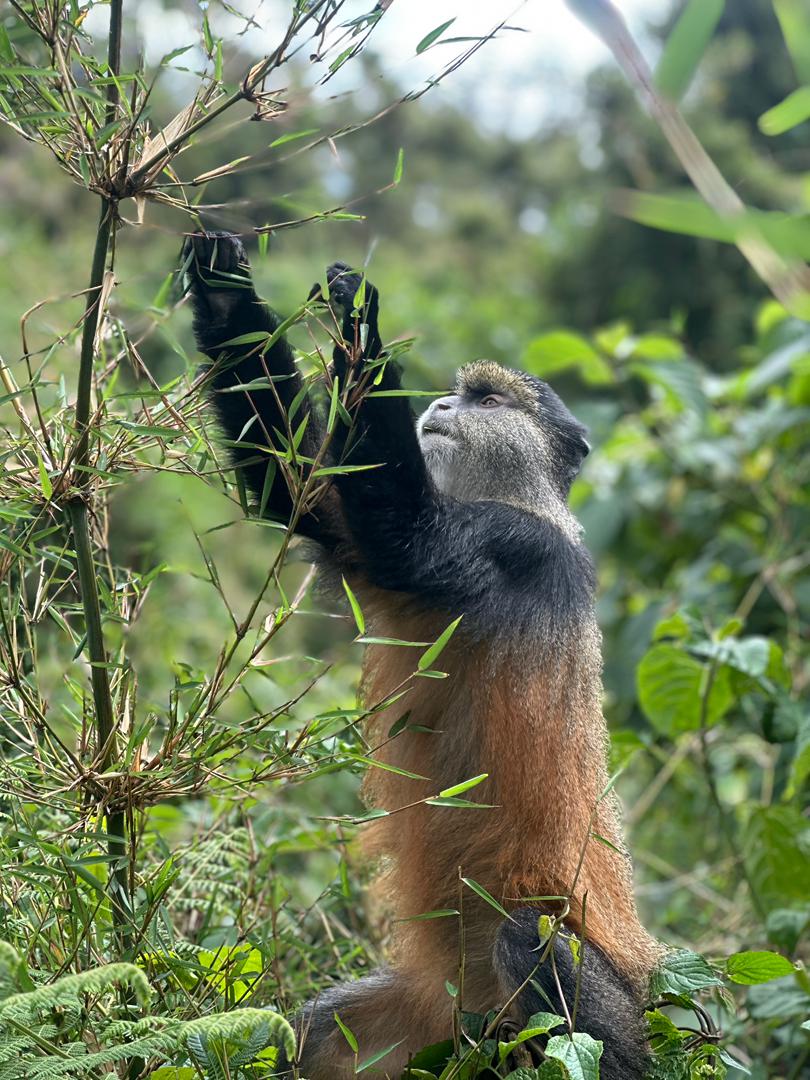
Gorilla and golden monkey trekking bring international spending into the region. Yet the impact of that spending varies. A quick overnight stay with all purchases made elsewhere creates a different outcome from a visit that includes locally prepared food, locally led activities, community-made goods, and accommodation that reinvests in people.
The trade-off is not always simple. A larger international operator may offer familiar systems and extensive amenities. A smaller purpose-driven property may offer a more personal sense of place and a clearer local impact. Neither choice should be judged by marketing language alone. Ask practical questions about employment, sourcing, waste, community partnerships, and where profits are directed.
The best regenerative experiences do not treat local people as part of the scenery. They create respectful exchanges. A guide explaining the landscape, a farmer sharing how coffee is grown, or an artisan describing a craft carries value because the knowledge is recognized, compensated, and shared on the community’s terms.
Conservation is not separate from hospitality
Responsible hospitality has a role in protecting the region’s natural resources. This can include thoughtful water use, lower-waste operations, energy awareness, gardens that support a healthy environment, and food purchasing that strengthens nearby producers.
No accommodation is impact-free. Guests need water, power, transport, laundry, and food. Honest regenerative tourism does not pretend otherwise. It measures choices against a useful question: does this stay do more good than harm over time?
For travelers, that can mean accepting a few realities of the region. Operations may be smaller than at a major city hotel. Seasonal weather can change plans. Local ingredients may shape the menu. These are not shortcomings when they are handled with care. They are often part of a stay that feels connected to Rwanda rather than interchangeable with anywhere else.
How to practice regenerative tourism Rwanda style
A purposeful trip begins before arrival. Build enough time into your schedule to do more than rush from Kigali to a trek and back again. An extra night in the north can support more local businesses while giving you space to rest, enjoy the gardens, try Rwandan coffee, and experience the area at a more human pace.
Choose accommodation with visible values, not vague promises. Look for clear information about local hiring, community investment, and environmental practices. If a property says it supports a cause, ask how that support works. Is it a one-time donation, a guest add-on, or part of the business model itself?
At Isange Paradise Resort, 100 percent of profits are reinvested through Future 4 Kids into education, health, and community initiatives. For guests, this means a comfortable base near Volcanoes National Park can also be a direct contribution to programs designed for long-term local benefit.
Spend intentionally during your stay. Choose a locally owned restaurant when possible, enjoy Rwandan coffee, and buy crafts from makers or businesses that can explain who created the work. A handmade item is more meaningful when it carries a real connection to the person and community behind it.
Treat photography as a privilege, not an entitlement. Ask before taking close photographs of people, especially children, vendors, and workers. Conversation is often more valuable than a photo. If you visit a community initiative, follow its guidance, listen first, and avoid framing people’s lives as a travel attraction.
Respect wildlife rules without exception. Keep the required distance, follow your ranger’s instructions, avoid unnecessary noise, and never leave food or waste behind. The rules that can feel strict in the moment protect animals, habitat, visitors, and the future of the trekking experience.
Travel slower when you can
Regeneration is often less about adding activities and more about giving your existing plans room to matter. A rushed itinerary can make every place feel like a checkpoint. Slowing down creates opportunities to meet your hosts, understand the landscape, and direct more of your spending into the local economy.
For active travelers, this may mean pairing trekking with a guided cycling route or a quieter day exploring the surrounding countryside. For couples and families, it might mean lingering over a meal, enjoying time in a garden setting, or booking an experience that fits your energy rather than packing every hour.
There is a practical benefit, too. Gorilla trekking is physically demanding, and travel in the Virunga region can be shaped by rain, roads, and early starts. A calmer schedule makes the trip more enjoyable while reducing the pressure to treat every experience as a transaction.
Questions worth asking before you book
The strongest travel decisions come from curiosity. Before confirming a stay or tour, ask who is employed, whether staff have opportunities to grow, and how purchases are made. Ask whether the business supports nearby schools, health programs, conservation groups, or community enterprises in a consistent way.
You can also ask what happens to food waste, how plastic is reduced, and whether guests are given practical guidance for respectful visits. The answers do not need to be perfect. What matters is transparency, progress, and a willingness to take responsibility.
Be cautious of experiences that promise instant transformation or use community impact as a decorative slogan. Real change is usually less dramatic. It looks like reliable jobs, skills training, fair purchases, supported children, maintained landscapes, and local businesses that can plan for the future.
A better kind of souvenir
The most lasting souvenir from Rwanda may not be a photo of a gorilla. It may be knowing that your visit helped make conservation and community progress more possible in the place that welcomed you.
Travel with purpose, stay with care, and leave room in your itinerary for Rwanda to be more than a destination. When travelers choose connection over convenience alone, the journey can create value that continues well beyond the final check-out.




Comments
Be the first to share your thoughts.
Leave a comment