
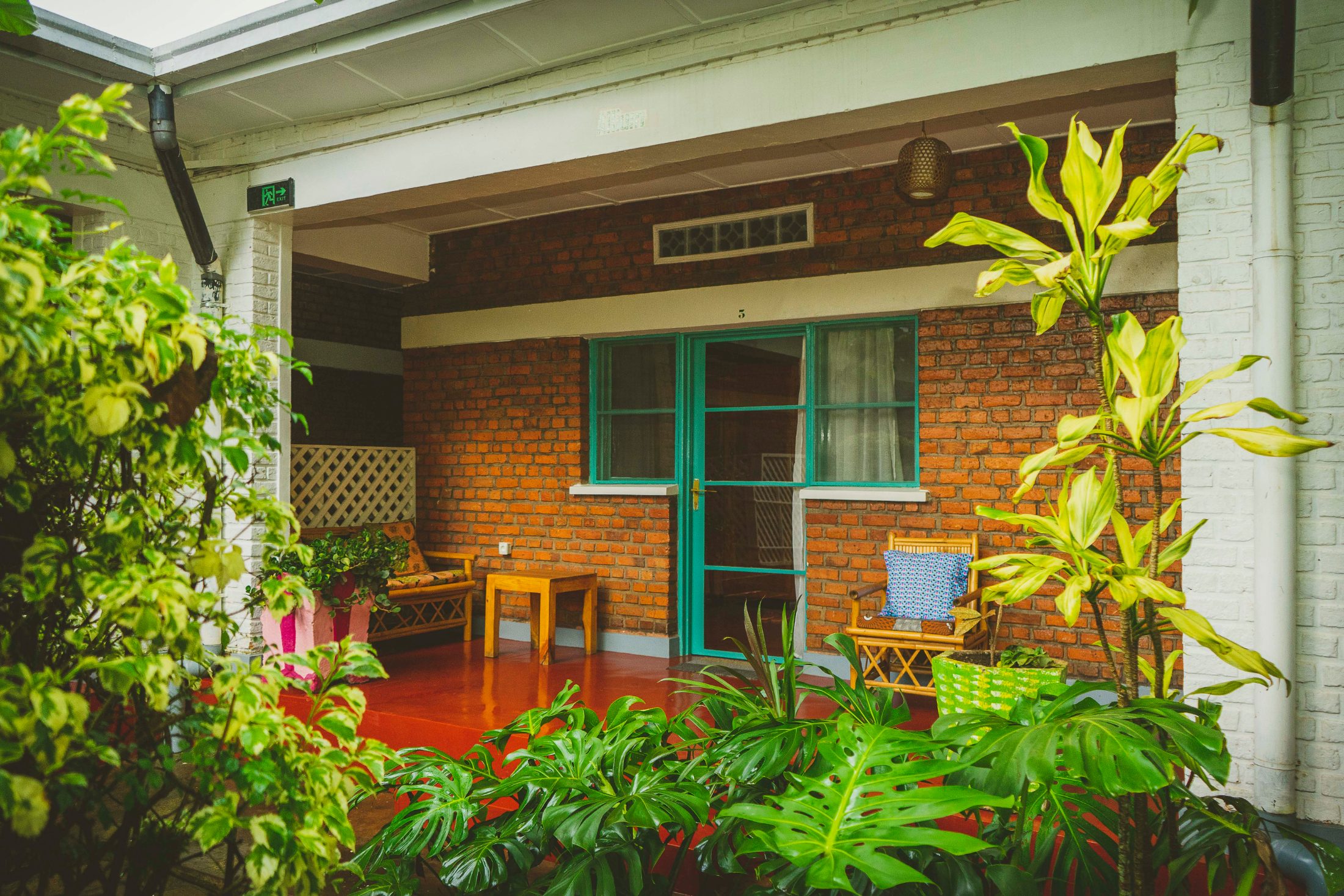
A great retreat rarely starts with the agenda. It starts with the setting. When you are choosing a retreat venue, Northern Rwanda participants will remember that the real question is not just where everyone will sleep. It is whether the place helps people slow down, connect, and stay present from the first arrival to the final conversation.
Northern Rwanda has a natural advantage here. The region brings together mountain air, green landscapes, strong cultural identity, and easy access to some of the country’s most memorable experiences. For group organizers, that creates real potential. But not every property is built for the same kind of retreat, and the right choice depends on what your group needs most.
Why a retreat venue in Northern Rwanda works so well
Retreats ask people to step out of routine. Northern Rwanda makes that easier without feeling remote in a difficult or inconvenient way. Guests can feel immersed in nature while still having access to comfortable lodging, reliable hospitality, and nearby activities that make a multi-day program more rewarding.
That balance matters. A venue that feels too urban can make a retreat feel like another meeting. A venue that is too isolated can add stress, especially for international guests managing transport, timing, and changing plans. Northern Rwanda sits in the middle of those two extremes. It offers a sense of escape, but with the kind of infrastructure that supports real travel planning.
For wellness groups, couples retreats, team off-sites, family gatherings, and purpose-driven travel groups, the region also brings emotional value. People come here for more than scenery. They come for gorilla trekking, golden monkey experiences, cycling routes, coffee culture, and a slower rhythm that helps meaningful moments happen naturally.
What to prioritize in a retreat venue in Northern Rwanda
The strongest venue is not always the most luxurious one. It is the one that removes friction for the organizer while giving guests a stay that feels thoughtful and grounded.
A setting that supports the purpose of the retreat
Start with the atmosphere. If your retreat is centered on reflection, wellness, or relationship-building, the venue should feel calm and restorative. Gardens, open-air dining, mountain views, and quiet shared spaces often do more for a group than formal design statements.
If your retreat is more active, such as an adventure group or cycling trip, the venue should still offer places to rest and recharge. A busy itinerary works better when guests return to somewhere peaceful, clean, and comfortable.
This is where trade-offs matter. Some groups want a lively social environment. Others need privacy and silence. It helps to be honest about which kind of energy your retreat requires before you book.
Accommodation flexibility
Group travel almost always comes with mixed needs. Some guests want private rooms. Others are happy to share. A family or small leadership group may want more space, while younger travelers or adventure-focused guests may care more about value than room size.
A venue with multiple accommodation types makes planning much easier. Rooms, apartments, guest house setups, or more adventurous options can help organizers keep the group together without forcing everyone into the same format. That flexibility can also protect your budget, especially if your retreat includes travelers with different price expectations.
Shared spaces that feel natural, not forced
A retreat venue needs more than bedrooms. It needs spaces where the group can gather comfortably without every interaction feeling scheduled. A restaurant area, garden seating, event space, and informal corners for coffee or conversation all add value.
The best retreat moments often happen between planned sessions. Someone lingers after breakfast. A conversation continues under the trees. A group shares reflections over dinner. Those moments are easier when the venue has spaces that invite people to stay a little longer.
Food and hospitality that keep the group grounded
Meals shape the rhythm of a retreat. They are not just practical breaks. They are part of the experience. Fresh food, flexible service, and a welcoming dining environment help people settle in and feel cared for.
For organizers, on-site dining is also a major advantage. It reduces transport coordination, saves time, and keeps the group’s energy in one place. A venue with a restaurant, bar, or coffee offering gives your program more breathing room, especially if guests arrive tired from travel or early morning activities.
Good hospitality is often quiet. It shows up in responsiveness, warmth, attention to detail, and staff who understand that group travel needs both structure and patience.
Access matters more than many planners expect
A retreat venue can be beautiful and still be the wrong fit if getting there feels complicated. In Northern Rwanda, proximity to key attractions and practical travel routes can shape the entire guest experience.
For many visitors, Volcanoes National Park is a major part of the journey. If your retreat includes trekking, wildlife experiences, or pre- and post-adventure stays, a venue near the park area can make logistics much easier. Early departures become more manageable. Guests spend less time in transit and more time actually enjoying the trip.
This is especially important for international travelers who may be combining a retreat with a once-in-a-lifetime Rwanda itinerary. Convenience is not a small detail. It can determine whether the retreat feels restful or overly packed.
Why purpose matters when choosing a retreat venue
More travelers want their trip to do some good as well as feel good. That is not a trend for its own sake. It is a shift in how people measure value. For retreat hosts, this creates an opportunity to choose a venue that reflects the group’s values, not just its schedule.
A purpose-driven property adds depth to the stay. If the venue supports local employment, sustainable operations, community partnerships, or social programs, guests feel that their presence has meaning beyond the booking itself. That can be especially powerful for nonprofits, schools, wellness leaders, church groups, and socially aware travelers.
Of course, purpose should not come at the expense of comfort or professionalism. The best venues do both. They provide a warm, reliable guest experience while making their wider impact clear and credible.
At Isange Paradise Resort, that idea is part of the stay itself. Guests enjoy a comfortable base near Northern Rwanda’s most memorable experiences while knowing that profits support community programs through Future 4 Kids. For retreat planners, that creates a rare combination of practicality and purpose.
Questions worth asking before you book
Before committing to any retreat venue Northern Rwanda offers, it helps to ask a few simple but revealing questions. Can the property accommodate your group size without splitting people too far apart? Are meals easy to organize on-site? Is there space for both structured sessions and informal downtime? How close is the venue to the experiences your guests are most excited about?
You should also ask what kind of retreat the property handles best. Some venues are excellent for weddings and celebrations but less suited to quiet reflection. Others are ideal for couples or solo travelers but not for small conferences or group coordination. A good venue will be honest about fit, and that honesty usually leads to a better guest experience.
It is also worth thinking about what your guests will remember most. They may not remember the exact room category or seating layout. They will remember how the place felt, how easy the days were, and whether the experience matched the promise.
The best choice is the one that helps people connect
A retreat venue should make connection easier - connection to nature, to other people, and to the reason the group gathered in the first place. Northern Rwanda has a quiet strength in that regard. It offers beauty without pretense, adventure without chaos, and hospitality that can feel deeply personal when the right property is chosen.
If you are planning a retreat here, look beyond the surface. Choose a place that supports rest, handles logistics well, and gives your guests a sense that their time away matters. When a venue combines comfort, access, and purpose, the retreat becomes more than a trip. It becomes time well spent.








Comments
Be the first to share your thoughts.
Leave a comment