A gorilla trek can last a few unforgettable hours. Where you stay before and after it shapes the whole journey. If you are searching for Rwanda eco friendly accommodation, the best choice is not simply a room with a view. It is a place that makes your trip easier, feels grounded in its surroundings, and gives something back to the people who call this region home.
That matters even more in Northern Rwanda, where many travelers arrive for Volcanoes National Park with a clear purpose. They want access to trekking, cycling, and mountain landscapes, but they also want their stay to reflect the values behind the trip. Comfort still matters. Good food still matters. Reliable logistics still matter. The difference is that sustainability is part of the decision, not an afterthought.
What Rwanda eco friendly accommodation should really offer
Eco-friendly travel can sound simple until you start comparing properties. Some places focus on low-impact operations. Others highlight local sourcing, conservation, or community jobs. The strongest accommodations do all of those things in ways guests can actually feel during their stay.
A meaningful eco-stay in Rwanda should begin with its relationship to place. That includes architecture and gardens that suit the local environment, hospitality shaped by local culture, and food that reflects the region rather than imported expectations. It should also reduce waste where possible, manage resources responsibly, and create employment that benefits nearby communities.
Just as important, it should be honest. Not every property can be fully off-grid, fully solar-powered, or entirely plastic-free, especially when guest expectations include hot showers, Wi-Fi, and dependable service near major tourism areas. A better question is whether the accommodation is making thoughtful choices and whether those choices support both the land and the community.
Why this matters near Volcanoes National Park
Travelers coming to see mountain gorillas or golden monkeys usually work on tight schedules. Early park check-ins, changing weather, and transport coordination can make location a practical issue, not just a luxury. Staying close to the park helps reduce unnecessary driving and gives you a calmer start to the day.
That practical advantage becomes even better when it is paired with an eco-conscious hospitality model. A well-run lodge or guest house near the park can lower your travel stress while also supporting the broader destination. That may mean hiring locally, serving fresh regional ingredients, protecting green spaces, or directing profits into education and community well-being.
This is where eco-friendly accommodation becomes more than a travel trend. In a place known globally for conservation, your lodging choice can reinforce the same idea behind responsible wildlife tourism - that travel should create value beyond the individual guest experience.
Comfort and sustainability are not opposites
One reason some travelers hesitate when booking green accommodation is the assumption that eco-friendly means basic. Sometimes that is true, especially for travelers who want a stripped-back wilderness experience. But many visitors to Rwanda are looking for something different. They want rest, privacy, good meals, warm service, and a base that supports adventure without adding friction.
The good news is that Rwanda eco friendly accommodation does not have to ask guests to choose between comfort and conscience. A thoughtfully designed property can offer private rooms, family-friendly options, garden settings, reliable internet, and welcoming shared spaces while still operating with a lighter footprint and a stronger mission.
The key is balance. Luxury for its own sake can feel disconnected from the setting. Minimalism for its own sake can feel impractical after a long trekking day. The best eco-stays find the middle ground - comfort that feels natural, not excessive.
How to choose the right eco-stay for your trip
The right accommodation depends on why you are visiting and how you like to travel. Couples often prioritize quiet surroundings and a romantic setting after trekking. Families may need flexible room types and outdoor space. Solo travelers often look for a place that feels safe, sociable, and easy to navigate. Cyclists and adventure travelers may care most about access, early meals, and a practical base between activities.
When comparing options, start with the purpose of your trip. If Volcanoes National Park is the main reason for traveling, proximity can save time and simplify early departures. If you are combining trekking with longer Northern Rwanda exploration, a property with multiple accommodation formats and on-site dining may make the trip more comfortable.
Then look beyond the photos. Ask what sustainability means in practice. Does the business employ local staff in meaningful roles? Are ingredients sourced locally where possible? Are gardens, green spaces, and buildings maintained in a way that respects the natural setting? Is there a visible social mission, or is sustainability mostly a marketing phrase?
Finally, consider the overall experience. Eco-friendly travel works best when it feels generous rather than restrictive. You should feel welcomed, well looked after, and connected to the place around you.
The value of purpose-driven hospitality
Some accommodations reduce their impact. A smaller number go further and turn tourism revenue into direct social good. For travelers who care where their money goes, that distinction matters.
A purpose-driven resort or guest house creates a different kind of stay. Your booking supports jobs, but it may also support education, health programs, artisan livelihoods, or local development. That gives your trip a deeper sense of alignment, especially in a destination where conservation and community are closely linked.
This approach also tends to shape the guest experience in subtle ways. Hospitality feels more personal. Local identity feels less staged. The property is not trying to imitate an international chain. It is giving you a genuine base in Rwanda while inviting you to travel with purpose.
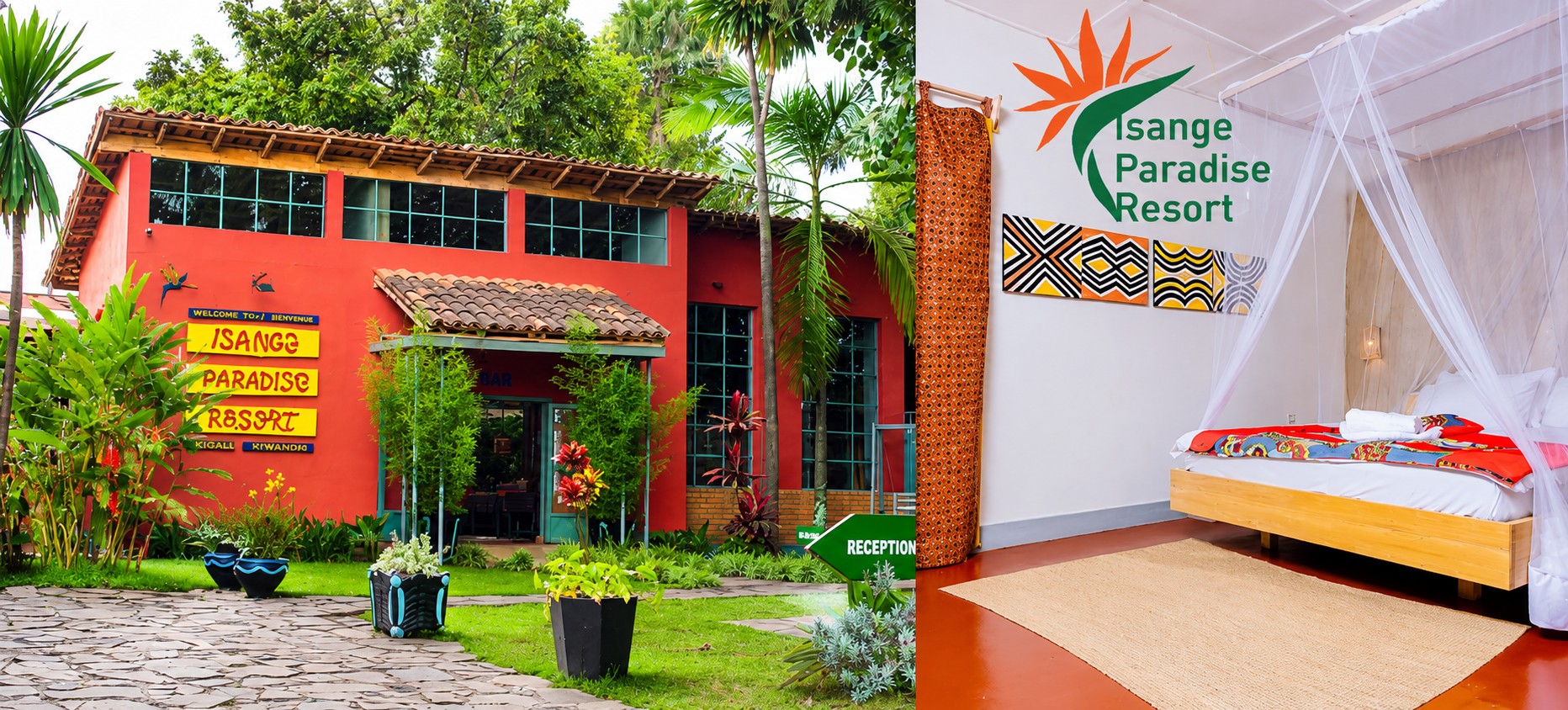
That is part of what makes Isange Paradise Resort stand out for many travelers heading to the Volcanoes region. The stay combines comfort, gardens, dining, and practical park access with a social business model in which profits support community programs. For guests who want their accommodation to do more than provide a bed, that is a meaningful difference.
What to expect from a strong eco-accommodation experience
The details vary by property, but the best stays tend to share a few qualities. First, the setting feels lived in rather than manufactured. Gardens are not only decorative - they create calm, shade, and a sense of place. Common areas invite guests to slow down. Food feels connected to the region. Service is warm without becoming formal or distant.
Second, the accommodation supports the rhythm of the trip. That means early breakfasts when needed, help with transport timing, space to relax after a trek, and room options that fit different budgets and travel styles. Eco-conscious travelers are not one type of traveler. Some want a private apartment. Some prefer a guest house atmosphere. Some enjoy a tented experience that feels closer to nature.
Third, there is integrity behind the message. Sustainability is easier to trust when it shows up in operations, hiring, sourcing, and community commitment rather than in slogans alone.
Trade-offs worth thinking about
Eco-friendly travel still involves choices. A larger resort may offer more amenities but have a less intimate feel. A smaller guest house may feel personal but offer fewer services on site. A tented option may create a memorable connection to nature but not suit guests who want maximum privacy or climate control.
Price is another factor. Truly responsible operations can cost more to run, especially when a business invests in staff, sourcing, and community impact. At the same time, higher price does not automatically equal stronger sustainability. The best value often comes from properties that are transparent about what you are paying for - location, comfort, service, and impact.
If you are booking from abroad, trust also matters. Clear communication, direct booking support, and straightforward rate information can make a big difference. Eco-friendly accommodation should feel dependable as well as inspiring.
Choosing a stay that fits the Rwanda you came to experience
Rwanda is often remembered for its extraordinary wildlife, but the feeling of a trip is shaped by smaller moments too - waking up to a green hillside, eating in a garden after a long day, talking with staff who know the area well, and knowing your stay supports something real.
That is why the best Rwanda eco-friendly accommodation is not defined by one feature. It is the combination of thoughtful hospitality, practical access, local character, and visible purpose. It gives you a comfortable base for adventure while keeping your trip connected to the people and landscape that make this destination special.
When your accommodation reflects the values behind your journey, the experience stays with you long after the park visit is over.







Comments
Be the first to share your thoughts.
Leave a comment