

The alarm for a gorilla trek often rings before sunrise, when Musanze is cool, the day ahead feels big, and breakfast needs to do real work. Good trekking meals are not about eating heavily or carrying a large bag of food. They are about steady energy, comfortable digestion, safe hydration, and enough flexibility for a trail day that may last longer than expected.
For travelers visiting Volcanoes National Park, the right food plan begins the evening before. A thoughtful dinner, an unhurried breakfast, and a few practical snacks can help you focus less on hunger and more on the forest, the guides’ instructions, and the extraordinary wildlife experience in front of you.
Start Trekking Meals With a Balanced Breakfast
A trekking morning is not the moment to skip breakfast because you are excited, nervous, or rushing to meet your driver. Trekking through Rwanda’s volcanic foothills can involve uneven ground, mud, changing weather, and several hours on your feet. Your body benefits from a breakfast that combines carbohydrates for ready energy, protein for staying power, and fluids after a night of sleep.
A simple plate can be more useful than an elaborate one. Think eggs with bread or potatoes, porridge with fruit, or a filling combination of beans, vegetables, and a modest serving of rice, sweet potato, or plantain. Fresh fruit is a welcome addition, especially banana, which is easy to digest and provides quick energy.
The best choice depends on what normally agrees with you. If you usually eat lightly in the morning, do not suddenly try a very rich meal before trekking. A smaller breakfast plus reliable snacks may suit you better. If you know you become hungry quickly, choose a more substantial meal and eat early enough to settle before you begin walking.
Coffee or tea can be part of the routine, but they should not replace water. Caffeine may make an early start feel easier, yet too much can leave some travelers feeling unsettled or needing frequent bathroom stops. Have water alongside your hot drink, particularly if you arrived in Rwanda recently and are still adjusting to activity at altitude.
Pack Trail Food You Will Actually Eat
Park procedures and the length of each trek can vary, so your guide or tour operator should always advise you on what to bring and where eating is appropriate. In general, the most useful trail food is compact, durable, quiet to open, and easy to eat with clean hands.
Rather than packing many different items, bring a few familiar foods that offer a mix of quick and lasting energy. Good choices include a banana or other firm fruit, a small sandwich, nuts, dried fruit, crackers, oat bars, or a simple peanut butter snack. If you have dietary restrictions, bring an option you trust from home or confirm food arrangements well before your trek.
Avoid relying only on sweets. Candy can provide a short lift, but the energy may fade quickly, especially if you have not eaten enough at breakfast. It is better used as a small extra than as the foundation of your food plan. Very greasy foods can also feel unpleasant during a long drive, a climb, or a warm spell on the trail.
Pack snacks in a reusable container or bag where possible. Keep every wrapper, peel, and leftover with you until you can dispose of it properly. Rwanda’s protected landscapes are home to wildlife, farming communities, and precious water sources. Leaving no food waste behind is a simple, meaningful part of responsible trekking.
Bring More Than You Think You Need, Not More Than You Can Carry
There is a sensible middle ground. A full day’s worth of heavy food adds weight and may go untouched. But one small snack can be insufficient if the trek takes longer than planned or if you need to wait before heading back to your accommodation.
A practical approach is to pack one substantial snack or light lunch and two smaller energy options. That gives you choice without overloading your daypack. If you are trekking as a family, each person should carry their own familiar snack where possible, while adults keep a small backup for children or unexpected delays.
Hydration Matters in Cool Weather Too
Mornings around Volcanoes National Park can feel cool and misty, which sometimes makes travelers forget to drink. Yet steady walking, humidity, rain gear, and elevation can all increase your need for fluids. Start hydrated, carry safe drinking water, and take small sips regularly rather than waiting until you feel very thirsty.
The amount you need depends on your body, the weather, and the trek. Your guide and tour operator can help with practical expectations, but a refillable water bottle is usually the best starting point. If you are prone to headaches or have been sweating heavily, an electrolyte tablet or oral rehydration option can be useful. Choose one you have used before if possible, since a trek is not the place to test something new.
Alcohol the night before deserves a mention. A celebratory drink may be tempting after travel, but excess alcohol can affect sleep, hydration, and energy the next morning. If you choose to drink, keep it moderate and follow it with water.
Plan the Evening Before Your Trek
The most dependable trekking meals begin with preparation, not with a hurried search for food at dawn. Have dinner at a comfortable time and aim for a meal that is satisfying without being overly rich. Carbohydrates such as rice, potatoes, pasta, or local staples can support next-day activity, while vegetables and protein make the meal more complete.
This is also the time to prepare your bag. Put water, snacks, any personal medication, hand sanitizer, and a small bag for waste in one easy-to-reach place. Confirm your breakfast time with your accommodation and let the team know early about allergies, vegetarian preferences, or other dietary needs. Clear communication makes an early departure much calmer.
At Isange Paradise Resort in Musanze, guests can enjoy fresh meals in a peaceful garden setting before an early adventure. The property’s ecological fruit and vegetable garden reflects a practical approach to food: valuing seasonal growing, responsible use of resources, and the connection between a good meal and the place it comes from.
Choose Food That Respects Your Body and the Destination
Travelers sometimes assume that a trekking day requires imported sports products and highly processed energy food. Those can be useful for some people, especially with specific nutritional needs, but they are not essential. Local, familiar ingredients can be excellent trail fuel when prepared simply and carried safely.
This is also a chance to make your choices lighter on the environment without chasing perfection. Use a refillable bottle instead of several single-use bottles. Choose snacks with minimal packaging. Take only what you will eat. Support accommodations and restaurants that grow some ingredients, manage water carefully, and make resource-conscious choices in their daily operations.
Responsible tourism is often made of these quiet decisions. They do not need to be complicated to matter. When visitors respect the trail, reduce unnecessary waste, and value locally prepared food, they help protect the natural and community settings that make travel in Rwanda so meaningful.
After the Trek, Eat to Recover
When you return from the forest, hunger may arrive all at once. Start with water, then choose a meal that includes carbohydrates, protein, and vegetables or fruit. A warm soup, beans with rice, eggs with potatoes, grilled chicken with vegetables, or a nourishing local dish can all support recovery.
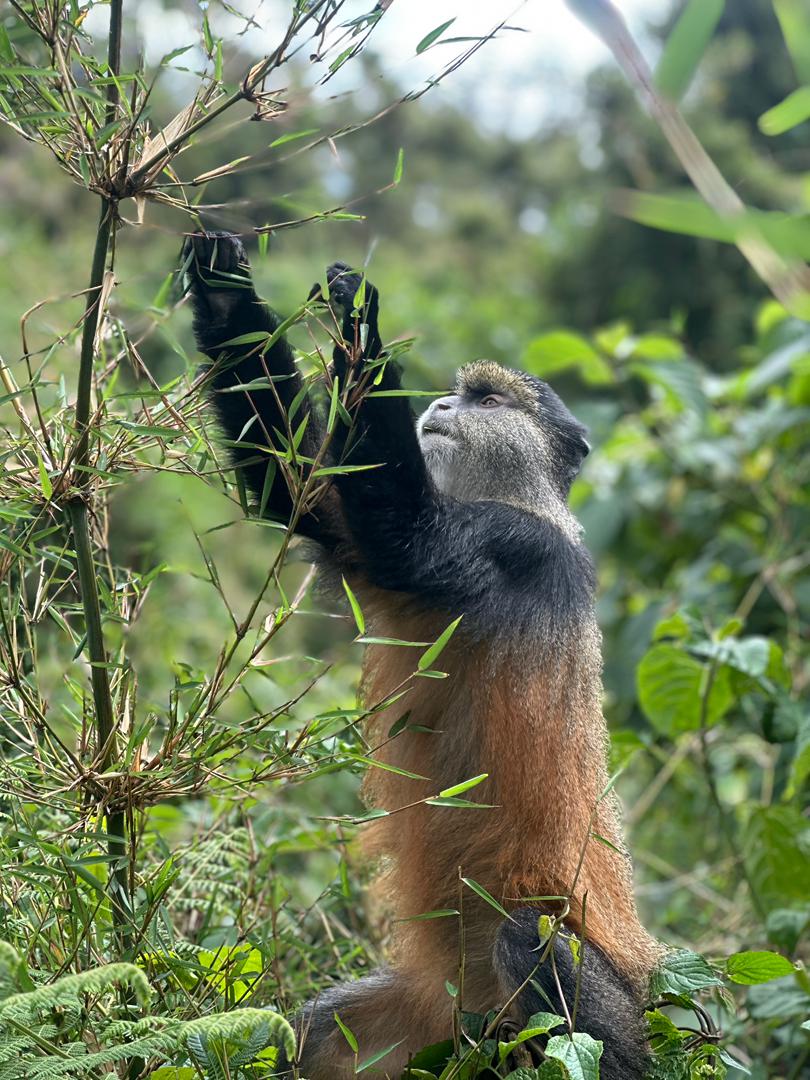
Do not forget the quieter part of recovery either: sit down, take off wet layers, and give yourself time. Gorilla trekking and golden monkey trekking are active experiences, but they are also emotional ones. A relaxed meal afterward creates space to share the day, look through photos, and appreciate what you have seen.
The best trekking food plan is not complicated. Eat a breakfast that suits you, carry a few dependable snacks, drink water consistently, and leave the forest exactly as you found it. With those basics in place, you can step onto the trail feeling prepared, present, and ready to experience Rwanda with care.




Comments
Be the first to share your thoughts.
Leave a comment