

Your gorilla trek begins well before you reach the forest. In fact, the details that shape the day most - your transfer from Kigali, permit confirmation, early wake-up, and proximity to the briefing point - are the heart of a good Volcanoes Park arrival logistics guide. Plan these well, and you can arrive calm, rested, and ready to focus on the remarkable experience ahead.
Plan Your Arrival Around the Trek, Not Just the Flight
Most international visitors arrive through Kigali International Airport. From there, the drive north to the Volcanoes National Park area generally takes around two and a half to three hours, depending on traffic, weather, road conditions, and stops along the way. The route is scenic, rising through Rwanda's rolling hills toward Musanze and Kinigi, but it is still a real transfer day.
If your flight lands late in the afternoon or evening, an overnight in Kigali is often the more comfortable choice. Starting the drive north after dark can feel tiring after a long international journey, and it leaves little room for delays. Travelers arriving early in the day may prefer to continue directly to the park area, especially when they have a full day before their trek.
The best choice depends on your flight timing, energy level, and trekking date. A tight itinerary can work, but gorilla trekking is too special to begin rushed and under-rested. Give yourself breathing room where you can.
Choosing a Transfer From Kigali
Private driver transfers are the simplest option for most international travelers. They offer door-to-door service, space for luggage, and flexibility for a coffee stop, a viewpoint, or lunch en route. Your accommodation can often help organize a trusted driver, which keeps communication clear before you land.
Shared transport is less expensive, but it is generally better suited to travelers with flexible schedules and light expectations around timing. For a permit-dependent activity with an early morning start, a private transfer offers more certainty. Families, couples, and small groups can also find that the cost becomes more reasonable when shared.
If you are self-driving, allow extra time. Rwanda's roads are generally well maintained, yet mountain weather, local traffic, and unfamiliar routes all require care. Avoid treating the journey as a race against the clock.
Know Where Your Trek Day Starts
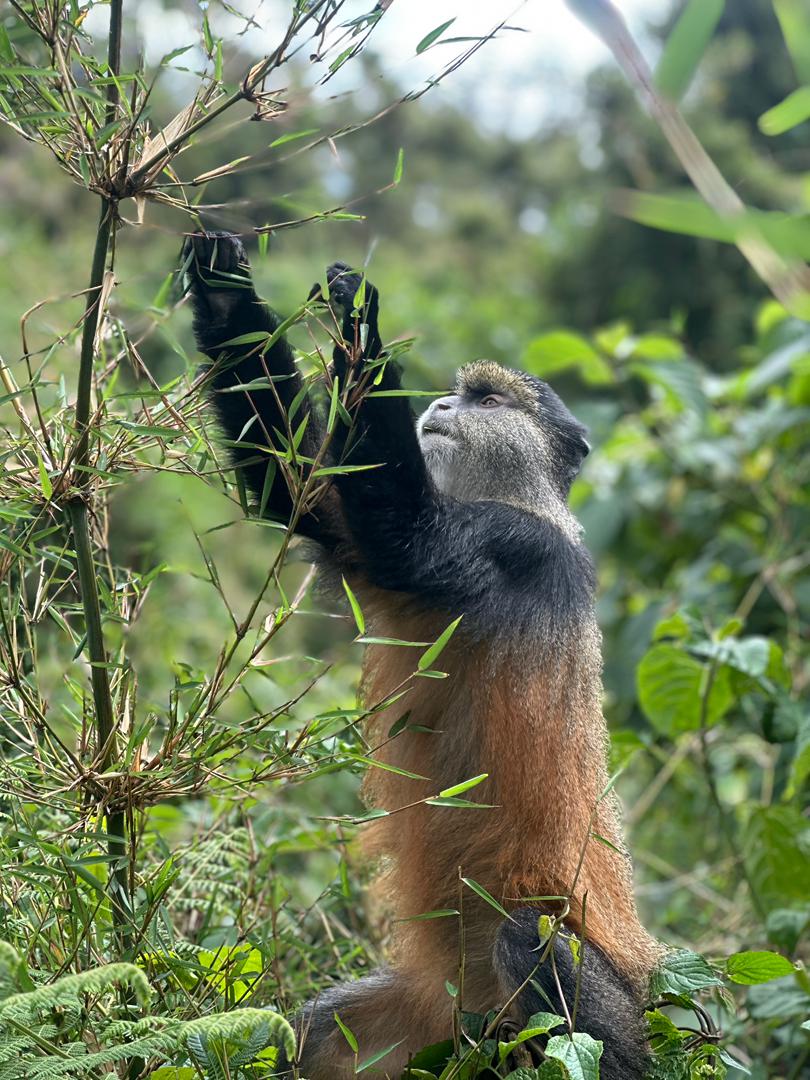
Volcanoes National Park activities begin with a morning briefing at the park headquarters in Kinigi. Gorilla trekking, golden monkey trekking, and some other activities may follow different procedures, so confirm your exact meeting location and reporting time with your permit provider or tour organizer before the evening prior.
Briefings commonly begin early in the morning, often around 7:00 a.m. That means guests should plan to arrive ahead of time, with their passport, permit details, water, and trekking gear ready. Park schedules can change, and your group assignment is handled on the day, so treat the time on your confirmation as the final instruction.
Accommodation close to the park office changes the feel of the morning. Rather than facing a long predawn drive, you can have breakfast, check your daypack, and leave with time to spare. Isange Paradise Resort's Kinigi Private House, located next to One&Only Gorilla's Nest, is well placed for travelers who want a quiet, convenient base near the briefing area while choosing a stay that supports community programs.
Arrive One Day Before Your Permit Activity
For most guests, arriving in the park area the day before a trek is the smartest logistical decision. It creates room for a delayed transfer, lets you settle into the cooler mountain climate, and gives you time to prepare clothing and footwear without searching through bags at dawn.
An extra afternoon can also be rewarding. Visit a local coffee spot, enjoy the gardens at your accommodation, take a gentle walk, or simply rest. There is no prize for packing every hour with activity. Being well rested makes the physical demands of trekking more enjoyable.
Permits: Confirm Before You Travel
A permit is required for gorilla trekking and golden monkey trekking. These activities have limited daily capacity, and popular dates can fill well ahead of travel, particularly around holidays and peak safari seasons. Do not assume that a room reservation automatically includes a park permit.
Book through an authorized tour operator or directly through the appropriate park and tourism channels, then keep a copy of your confirmation accessible both digitally and in print. Your passport information must match the details used for the permit. If you renew a passport between booking and travel, address this immediately rather than waiting until arrival.
Your permit secures participation, but it does not guarantee a particular gorilla family, trekking distance, or trail condition. Groups are assigned based on operational considerations and visitor ability. Share honest information about mobility, fitness, or health concerns at the briefing. A shorter trek may still involve steep, muddy, or uneven terrain, while a longer trek can be deeply rewarding for active travelers.
What to Prepare the Night Before
Mountain weather can change quickly. A bright morning can become cool, misty, or wet after you enter the forest. The right gear helps, but it does not need to be complicated or overly technical.
Wear long pants and a long-sleeved shirt to protect against vegetation and insects. Sturdy hiking boots with reliable grip are strongly recommended, especially in wet conditions. Bring a rain jacket, a hat, sunscreen, and a refillable water bottle. Gardening gloves are useful when holding branches or steadying yourself on steep ground, and gaiters can be worthwhile in muddy conditions.
Pack lightly. You will need energy for the trail, not a heavy bag. A small daypack with water, snacks if permitted by your operator, rain protection, camera equipment, and any personal medication is usually enough. Porters may be available at the starting point, and hiring one is both practical support on uneven ground and a meaningful way to contribute directly to local livelihoods.
Build in Time for Health and Safety Requirements
Rwanda takes conservation and visitor health seriously. Trekking rules are designed to protect both guests and endangered wildlife. If you feel unwell before your trek, especially with a cough, fever, or other potentially contagious symptoms, tell your guide or organizer. Missing an anticipated activity is disappointing, but protecting the gorillas and the surrounding community matters.
Travel insurance that covers medical care, cancellations, and adventure activities is a sensible part of trip planning. Bring any required medications in your carry-on luggage, along with a basic personal first-aid kit. The high elevation can feel different from Kigali, so hydrate, sleep well, and avoid overcommitting yourself on the night before your trek.
Cash, Connectivity, and Small Essentials
Carry some Rwandan francs for porters, drivers, crafts, and small purchases. Exact costs and tipping practices vary, so ask your accommodation or guide for current local guidance rather than relying on old online advice. Keep larger valuables secure and bring only what you need to the park.
Wi-Fi is available at many accommodations, but mountain-area connectivity should not be treated as your only backup. Save driver contacts, permit confirmations, and accommodation directions on your phone before leaving Kigali. A portable power bank is useful for long transfer days and camera use.
Make Your Stay Part of the Experience
Volcanoes National Park is not simply a place to arrive, trek, and leave. The communities, farms, forests, and small businesses around Kinigi and Musanze are part of what makes Northern Rwanda memorable. Choosing local dining, local guiding support, and accommodation with genuine community ties helps keep more value within the region.
Travelers with an extra day may add golden monkey trekking, a cultural experience, cycling, or time to explore Musanze's landscapes. Those departing after a trek should be realistic about timing. You may return from the forest earlier than expected, or later, muddy and ready for a hot shower and an unhurried meal. Avoid booking an inflexible long-distance transfer immediately afterward if your schedule allows.
Give yourself the gift of a well-paced arrival. When the road north, your permit, your bed for the night, and your early-morning plan are all in place, there is space for the part that cannot be scheduled: standing quietly in a living forest and seeing why this journey matters.




Comments
Be the first to share your thoughts.
Leave a comment