

The best Volcanoes trekking stay planning guide starts with one simple truth: your trek day is only part of the experience. Where you sleep, how early you leave, what you pack, and how much recovery time you give yourself can shape the entire trip. In Volcanoes National Park, small planning choices often make the difference between a rushed itinerary and a stay that feels calm, purposeful, and rewarding.
Most travelers come to this part of Rwanda for one headline experience - usually gorilla trekking, sometimes golden monkey trekking, and often both. But the stay around the trek deserves just as much attention. Early starts, mountain weather, permit logistics, and road timing all matter. If you want comfort without losing the sense of adventure, it helps to plan your base, your schedule, and your expectations before you arrive.
How to use this Volcanoes trekking stay planning guide
Think about your trip in three parts: the day before the trek, the trek itself, and the day after. Many visitors focus only on permit dates and transport, then realize too late that they booked a stay too far away, arrived too tired, or left no room for weather delays or sore legs.
A smart plan gives you breathing room. If your budget allows, arrive at least one day before your trek and stay at least one night after. That extra time can turn the trip from a quick transaction into a richer Rwanda experience with better rest, better meals, and more time to enjoy the landscape and community around the park.
Start with the trek you want
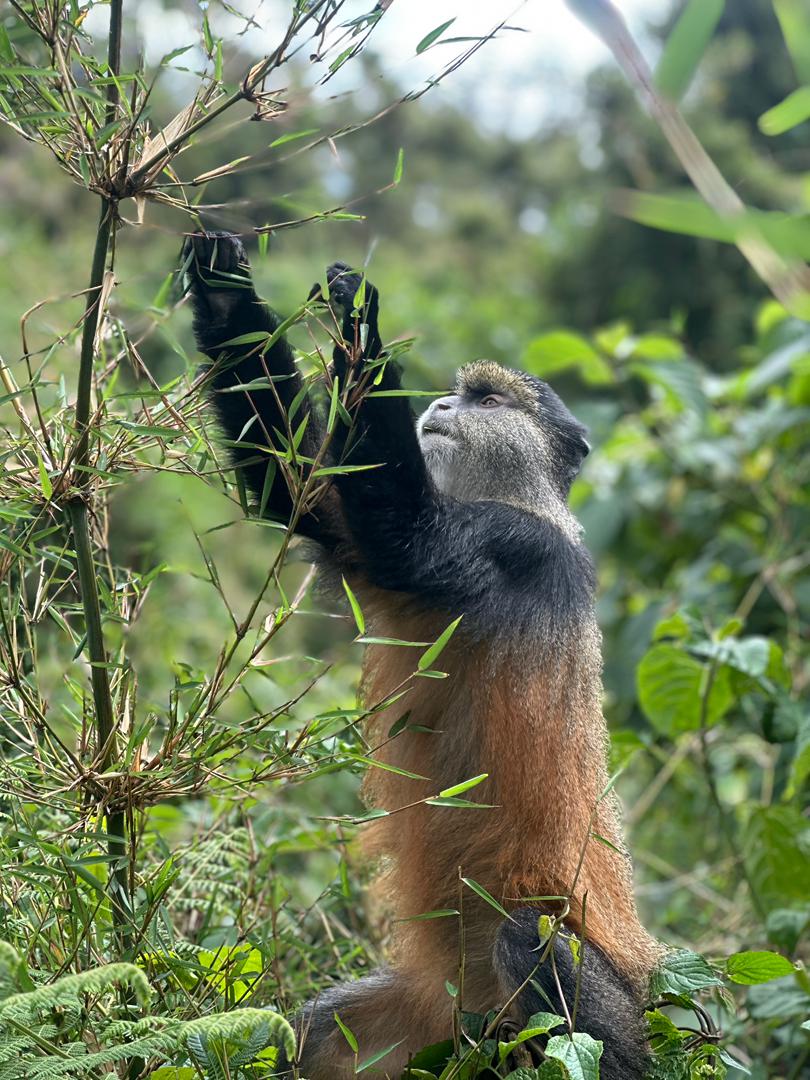
Your stay plan depends on what kind of experience you are building around. Gorilla trekking is the best-known option, but it is not the only one. Golden monkey trekking is usually lighter and often suits travelers who want wildlife access with a slightly easier physical demand. Some guests combine both, which can be excellent if you want variety without changing hotels.
The trade-off is energy and cost. Gorilla permits are a major investment, so many travelers want every surrounding detail to feel smooth and dependable. If this is a once-in-a-lifetime journey, it usually makes sense to avoid overly tight schedules. If you are traveling on a shorter regional trip, a one-night plan may work, but it can feel rushed.
Choose a stay based on logistics, not just photos
A beautiful room matters, but on trekking trips, location and practicality matter just as much. You want a place that makes an early morning feel manageable. Proximity to the park briefing point can reduce stress, especially if you are adjusting to a new country, traveling with family, or managing multiple bookings.
Look closely at what your stay includes beyond the bed. Early breakfast, reliable hot water, good food after a long hike, and staff who understand trekking schedules are not luxury extras here - they are part of a good travel plan. Garden space, quiet surroundings, and a comfortable place to recover also matter more than many people expect after hours on the mountain.
For some travelers, a larger hotel feels safest. For others, a smaller eco-conscious property offers a more personal experience and a stronger connection to place. It depends on what you value most. If meaningful travel matters to you, staying somewhere that reinvests in local communities can make your tourism spending feel more aligned with the reason you came.
Timing matters more than most travelers expect
The strongest itinerary usually begins with an afternoon arrival. That gives you time to check in, settle your bag, eat well, and sleep early before the trek briefing. Arriving the same morning as your trek is possible only in very limited cases, and it adds unnecessary pressure.
Mountain weather also deserves respect. Conditions can change quickly, and trails can be muddy even when the morning begins clear. That does not mean you should avoid the trip during wetter periods. It simply means your stay should support flexibility. Extra nights can be especially valuable if you plan to add cultural visits, cycling, or scenic drives around Northern Rwanda.
If you are combining Volcanoes with Kigali, Akagera, or Nyungwe, avoid stacking too many long transfers back to back. Rwanda is easy to move around compared with many destinations, but early starts and active days still add up. A well-paced route leaves room for enjoyment.
What to pack for the stay, not just the trek
Packing for Volcanoes is often framed as a trekking checklist, but your stay matters too. You will want hiking clothes and sturdy shoes, of course, yet recovery clothes are just as useful. Warm layers for cool evenings, dry socks, a light jacket, and something comfortable for dinner can make a big difference.
For the trek itself, rain gear, long sleeves, hiking pants, and gloves are practical choices. For the rest of your stay, think in terms of comfort and transitions. A traveler who packs only for the hike often ends up feeling underprepared once the day is done.
It is also worth carrying some small essentials in your day bag: sunscreen, insect repellent, water, tissues, and any personal medication. Porters are available and well worth considering, even for fairly fit travelers. Hiring a porter is not just helpful on steep or muddy sections - it is also a direct way to support local livelihoods.
Plan your budget honestly
Volcanoes trips are shaped by more than room rates. Permits, transport, meals, guide coordination, porter fees, tips, and extra activities can shift the total quickly. The most useful way to budget is to separate the experience into fixed costs and flexible ones.
Your permit is usually fixed. Your stay can vary widely depending on room type, season, and whether you want a simple overnight stop or a more restorative base with meals and amenities. Transport also depends on whether you use a private driver, self-organize, or join a broader itinerary.
This is where value matters more than the cheapest price. A lower room rate farther away may not save money if it creates transport stress or reduces rest. On the other hand, a property that includes comfort, convenience, and a more personal guest experience can feel like better value overall. Best rates are not only about cost - they are about what supports the kind of trip you actually want.
Make room for the day after
One of the most common planning mistakes is leaving immediately after the trek. Some travelers do it because of time, but many later wish they had stayed longer. After a physically demanding morning and a deeply emotional wildlife encounter, a quieter afternoon and evening can help you absorb the experience rather than rush past it.
The day after also opens up other sides of the region. You might prefer a slower breakfast, a massage, garden time, coffee, or a second local activity instead of another demanding hike. Couples often appreciate this pause. Families do too. Even solo travelers who like efficient itineraries usually benefit from one unhurried night.
That is where an eco-resort stay can add real value. A place like Isange Paradise Resort is not just a bed near the park. It offers a comfortable base for recovery, dining, and reflection, while also letting your stay contribute directly to community impact. For many travelers, that makes the trip feel more grounded and more meaningful.
The stay experience should match the reason you came
If your priority is wildlife alone, you may be tempted to treat accommodation as an afterthought. But Volcanoes National Park is not a destination where the stay should feel disconnected from the journey. This region invites a different pace - one that blends adventure, hospitality, landscape, and purpose.
That does not mean every traveler needs the same plan. Some want a romantic base with good food and quiet gardens. Some need family-friendly flexibility. Some are cyclists or photographers building a longer Northern Rwanda route. Others are first-time visitors who simply want confidence that transport, meals, and timing will work without stress. A good stay planning guide respects those differences.
A better way to think about your Volcanoes trip
Instead of asking only where to sleep before a trek, ask what kind of experience you want to remember. Do you want to arrive exhausted, rush through your briefing, and leave right after the hike? Or do you want a trip with enough space for comfort, local connection, and the kind of hospitality that helps an extraordinary day feel complete?
Volcanoes rewards thoughtful planning. Choose a stay that supports rest, easy access, and a sense of purpose. When your logistics are calm, you get to focus on what brought you here in the first place - the forest, the mountains, and the rare privilege of meeting this landscape on foot.
If you give your stay the same care you give your permit, the whole journey feels better from the moment you arrive.





Comments
Be the first to share your thoughts.
Leave a comment