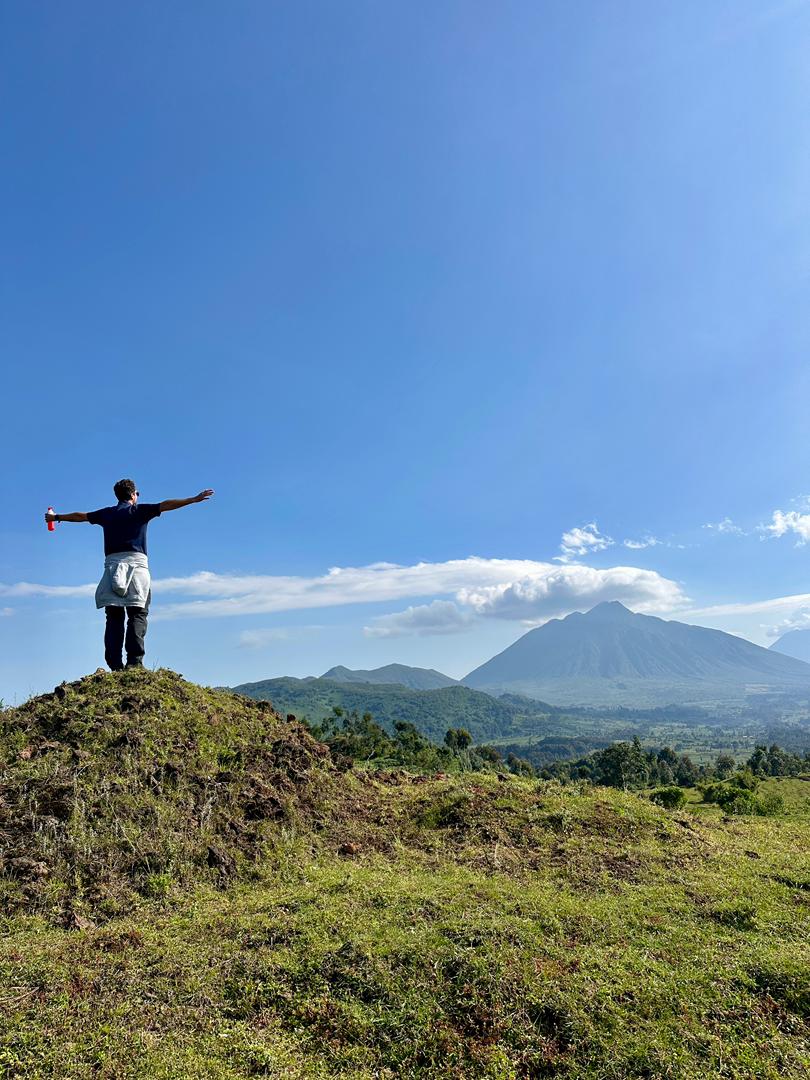
Some trips are shaped by price. A visit to Volcanoes National Park is shaped by timing. Rain can change a hiking trail in an hour, permits can disappear long before peak dates, and the kind of experience you want - easier trekking, fewer crowds, greener scenery, or better photography - should guide when to visit Volcanoes National Park.
For most travelers, the best time is during Rwanda’s drier seasons, from mid-December to early February and from June to September. These months usually bring firmer trails, clearer views, and more comfortable trekking conditions. But that does not automatically make them the right fit for everyone. Volcanoes National Park is rewarding year-round, and each season offers a different rhythm.
When to visit Volcanoes National Park for the best overall experience
If your top priority is gorilla trekking with the least mud and the most predictable conditions, aim for June through September. This is the most popular window for a reason. Trails are often easier to manage, mornings can be clearer, and travel logistics tend to feel simpler, especially for first-time visitors to Rwanda.
Mid-December to early February is another strong option. These months are also relatively dry, and they work particularly well for travelers combining Rwanda with holiday travel or a broader East Africa itinerary. The landscapes remain lush, but the paths are often less demanding than in the heavier rainy periods.
That said, dry season does not mean no rain. Volcanoes National Park sits in a high-altitude environment where mist and showers are part of the atmosphere. Even in the best months, mornings can begin cool, clouds can roll in quickly, and a trek can still be wet. Good timing helps, but proper gear matters just as much.
The seasons at a glance
Rwanda’s climate is more about wet and dry periods than summer and winter. In Volcanoes National Park, the long rainy season usually runs from March to May, and the shorter rainy season often falls in October and November. The drier periods are June to September and mid-December to early February.
This pattern gives travelers a useful planning framework, but nature does not follow a strict calendar. One April week can feel surprisingly manageable, while a dry-season morning can still bring mud underfoot. That is why the best booking decisions come from balancing weather expectations with your budget, flexibility, and travel goals.
June to September
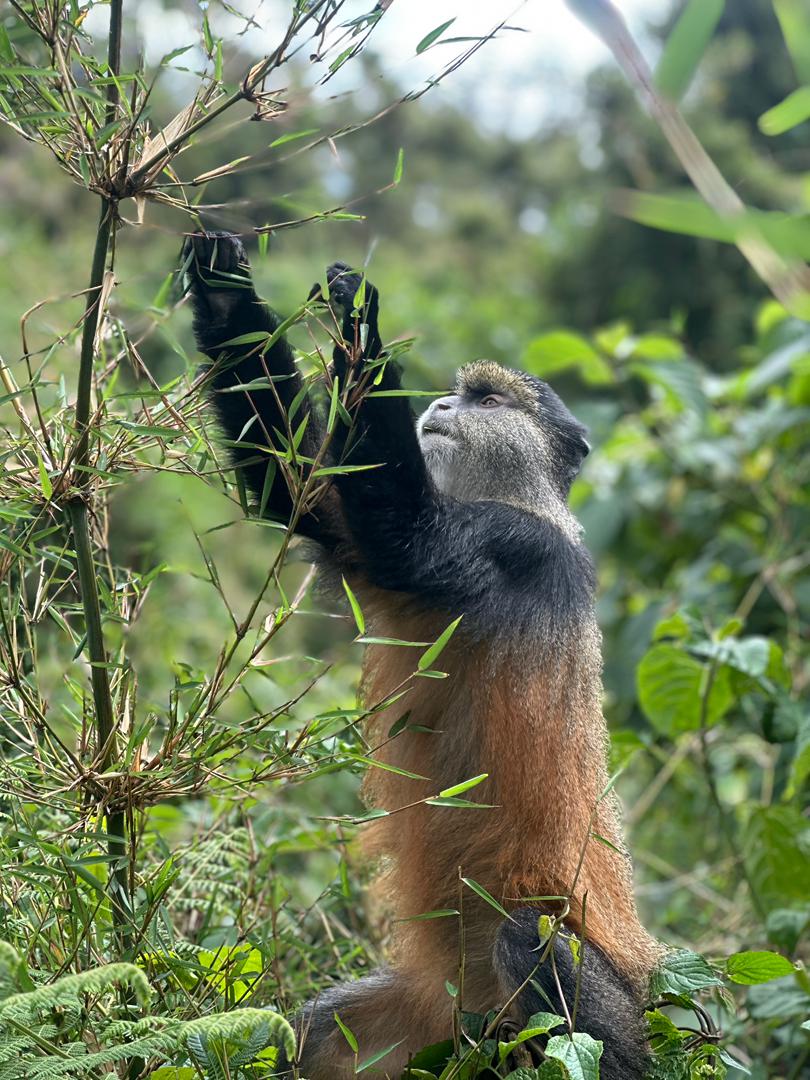
These are the most sought-after months. Gorilla trekking and golden monkey trekking are especially appealing in this period because trails are generally less slippery. If you are worried about steep sections, uneven ground, or simply want a more comfortable hike, this is often the safest bet.
The trade-off is demand. Popular travel dates fill faster, accommodation can be tighter, and planning ahead matters more. If you prefer a calm, unhurried itinerary, book early and leave room for rest after your trek.
Mid-December to early February
This is another excellent time to visit. Conditions are often favorable, and many travelers enjoy pairing wildlife experiences with the holiday season. The scenery stays green and vibrant, which is ideal if you want Rwanda to feel lush rather than dusty.
Crowds can increase around Christmas and New Year, so this period works best for travelers who like structure and are ready to reserve permits and lodging well in advance.
March to May
This is the wettest stretch of the year. Trails can become muddy, steep sections can feel more challenging, and visibility may shift quickly. For some travelers, that is reason enough to avoid these months.
For others, it is exactly the appeal. The park feels deeply green, the forests look dramatic in the mist, and the overall atmosphere can feel quieter and more intimate. If you do not mind rain, and if you are prepared for tougher trekking conditions, this season can still be beautiful.
October to November
These months tend to bring shorter rains, though conditions can vary. They are often less intense than the long rains, but you should still expect wet ground and changing weather. This can be a smart time for travelers who want a shoulder-season trip with fewer people than peak dry months.
Best time for gorilla trekking
For most visitors, gorilla trekking is the reason this question matters. If that is your centerpiece experience, the easiest answer is the dry season. June to September is usually the most comfortable period, followed by mid-December to early February.
But comfort is only one factor. Gorilla families move through forested terrain, and trek length can vary no matter the month. Rangers assign groups based on fitness and other considerations, yet there is always some uncertainty. In wet months, that uncertainty can feel bigger because muddy slopes and dense vegetation make the trek more physically demanding.
If you are an active traveler, a rainy-season trek may still suit you well. If you are nervous about endurance, traveling with older family members, or simply want the smoothest experience possible, dry months are worth prioritizing.
Best time for photography and scenery
There is no single perfect answer here because photography depends on what you want your images to feel like. Dry season often brings cleaner light, more stable hiking conditions, and a better chance of clearer mountain views in the morning. That is helpful if you want crisp landscape shots and less worry about protecting camera gear.
Rainier months offer something different: saturated greens, dramatic mist, and a moody forest atmosphere that feels unmistakably volcanic and wild. Photos can be extraordinary, but you need patience, weather protection, and realistic expectations. A misty background can be magical, or it can hide the view you hoped for.
Best time for fewer crowds
If avoiding busy travel periods matters more than perfect trail conditions, consider the rainy months or the shoulder periods around them. You may find the overall experience feels calmer, from roads to lodge spaces to trekking departures.
This does not mean the park feels crowded in the way major safari hubs can. Volcanoes National Park is highly regulated, and permit systems help manage visitor numbers. Still, peak dry months bring more demand, and that can shape your preferred accommodation options and the pace of your planning.
Budget and value considerations
The time of year can influence more than weather. It can also shape how far your travel budget goes, especially when you look at accommodation choices around Musanze and Kinigi. Peak travel windows often mean less flexibility and faster booking timelines, while quieter periods may open up better value and a more relaxed stay.
That is where it helps to choose a base that keeps you close to the park while still giving you space to rest well before and after trekking. A comfortable property with good food, peaceful gardens, and reliable trip support can make a bigger difference than many travelers expect, especially after an early start and several hours on the mountain. For guests who want their stay to carry a positive local impact as well, Isange Paradise Resort speaks naturally to that purpose-led style of travel.
How to choose the right month for your travel style
If you are planning your first Rwanda trip and want the easiest logistics, choose a dry month and book early. If you are a flexible traveler who values atmosphere, lower-season calm, and greener scenery, the rainy periods may suit you better than you think.
Couples often prefer dry months for smoother pacing and easier outdoor movement. Families and multigenerational travelers usually benefit from the same approach, since fewer weather complications make the journey more comfortable. Solo travelers and adventure seekers may be more open to shoulder or rainy seasons, especially if they enjoy hiking and do not mind a bit of unpredictability.
If you are adding cycling, cultural visits, or time to simply slow down in Northern Rwanda, dry months again tend to make movement easier. But if your dream is a quiet, misty, deeply green mountain setting, then a rainier season can feel more emotionally memorable, even if your boots come back muddy.
What to expect no matter when you go
No matter when to visit Volcanoes National Park ends up on your calendar, prepare for cool mornings, possible rain, and changing mountain weather. Waterproof layers, good hiking boots, and a little flexibility go a long way. Timing improves your odds of a smoother trek, but it does not replace preparation.
The best month is not always the driest or the most popular. It is the one that matches how you like to travel, how much uncertainty you enjoy, and what kind of Rwanda experience you want to bring home. Pick the season that fits you, then leave room for the mountain to be itself.






Comments
Be the first to share your thoughts.
Leave a comment