
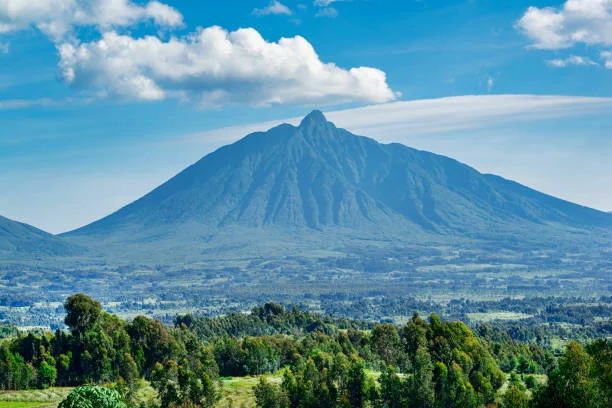
The first time you wake up in Northern Rwanda, the Virunga volcanoes tend to settle the itinerary for you. The air is cool, the hills are green in every direction, and the region feels built for travellers who want more than a quick photo stop. If you are searching for things to do in Northern Rwanda, start with the experiences that bring you close to nature, community, and the rhythm of daily life around Musanze and Volcanoes National Park.
This is the part of Rwanda where wildlife headlines meet quieter pleasures - lake views, coffee, cycling routes, local markets, and time outdoors that does not feel rushed. Some activities are once-in-a-lifetime and permit-based, while others are simple, affordable, and easy to add around your main adventure. The best trip usually combines both.
1. Go gorilla trekking in Volcanoes National Park
For many visitors, this is the reason Northern Rwanda is on the map. Gorilla trekking is the signature experience here, and it earns that status. Seeing a mountain gorilla family in the forest is powerful in a way that is hard to reduce to a checklist item. The walk can be short or demanding depending on where the gorillas are that day, so fitness matters, but you do not need to be an elite hiker.
The trade-off is cost and planning. Permits are limited, and this is not an activity to leave until the last minute. If gorilla trekking is your priority, build the rest of your itinerary around it, not the other way around. Give yourself at least one buffer day if your schedule allows, especially in rainy periods when trail conditions can slow things down.
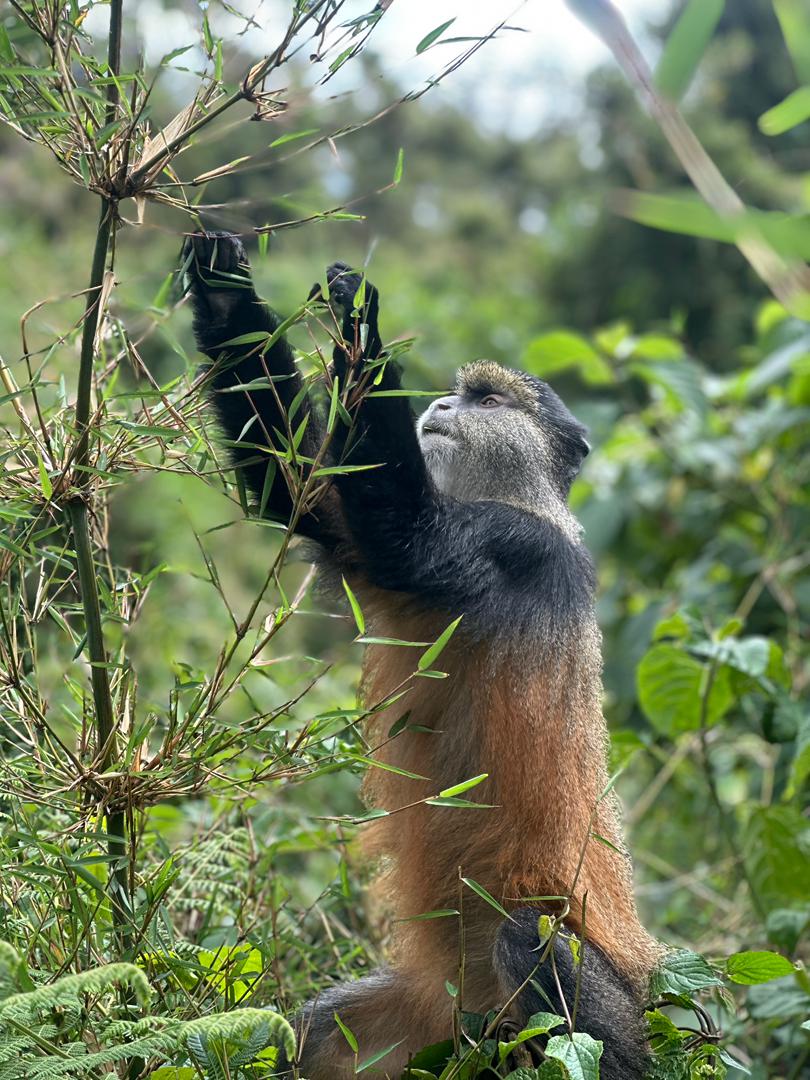
2. Add golden monkey trekking for a different wildlife experience
Golden monkey trekking is often overshadowed by gorillas, but that is exactly why it can be such a smart addition. It is lively, photogenic, and usually a bit lighter physically. Instead of the stillness that often surrounds gorilla encounters, golden monkey trekking feels fast and playful, with constant movement through the bamboo forest.
If you are deciding between the two, it depends on your budget and what kind of wildlife experience you want. Gorilla trekking carries more emotional weight for many travellers. Golden monkey trekking is more accessible and can work especially well for families, photographers, or anyone wanting another park experience without repeating the same format.
3. Hike to Dian Fossey’s tomb and research site
Some travellers want a deeper sense of place after trekking, and this hike offers exactly that. The trail leads into the volcano landscape that shaped Dian Fossey’s conservation work, and the experience gives useful context to the history of gorilla protection in Rwanda.
This is a strong choice if you like your travel grounded in story, not just scenery. It is less about spotting headline wildlife and more about understanding why conservation here matters. Conditions can be muddy and the altitude is real, so come prepared for a proper hike rather than a casual walk.
Things to do in Northern Rwanda beyond trekking
Northern Rwanda rewards travelers who stay long enough to look past the permit-based adventures. The region has a softer side that can turn a one-night stop into a richer trip.
4. Climb Mount Bisoke if you want a full hiking day
Mount Bisoke is one of the most popular volcano hikes in the area, known for its crater lake and dramatic views. It is strenuous, often slippery, and very worthwhile if you enjoy mountain trails and do not mind earning the scenery.
This is not the best fit for every traveller. If your main goal is a relaxed gorilla trip, a volcano climb the day before may leave your legs less grateful than your camera. But if active travel is part of why you came to Rwanda, Bisoke adds a strong sense of achievement to your stay.
5. Visit the Ellen DeGeneres Campus of the Dian Fossey Gorilla Fund
This is one of the easiest and most meaningful additions to a Northern Rwanda itinerary. The campus blends conservation education, science, and thoughtful design in a way that feels approachable even if you are not a wildlife specialist.
It works particularly well on an arrival day or after a morning trek when you want something engaging without another long physical effort. For socially conscious travellers, it also connects the region’s tourism economy to the bigger work of research, education, and long-term protection.
6. Spend time at the Musanze caves
The Musanze caves offer something different from the forest and volcano circuit. They are atmospheric, cool, and geologically interesting, with guided visits that help explain how the lava-formed tunnels fit into the region’s volcanic history.
If you are traveling with mixed interests in your group, this can be a very useful option. Not everyone wants a major hike every day, and the caves give you a half-day activity that still feels distinctively tied to Northern Rwanda.
7. Take a boat trip on the Twin Lakes
Lakes Burera and Ruhondo are among the most beautiful landscapes in Rwanda, yet they still feel quieter than many first-time visitors expect. A boat ride here gives you wide views of the hills and volcanoes, small islands, birdlife, and a slower pace that balances the intensity of trekking days.
This is one of the best things to do in Northern Rwanda if you want space to breathe. It suits couples, families, and anyone building in recovery time between more demanding excursions. Weather can affect the mood of the outing, but even cloudy days often look dramatic in this part of the country.
8. Explore Musanze by bike
Northern Rwanda is excellent for travellers who prefer to experience a place at ground level. Cycling around Musanze and the surrounding countryside brings you into everyday village life, farm roads, and rolling terrain that feels made for adventure travel.
The key question is what kind of rider you are. Casual riders may prefer a shorter guided route on gentler roads. Strong cyclists and gravel enthusiasts can take on longer, hillier outings with more elevation and more reward. If cycling is part of your travel style, this region has real appeal beyond the national park itself.
9. Visit local markets and artisan spaces
Not every memorable experience needs a permit or a trailhead. Time in local markets can add texture to your trip - fresh produce, fabric, household goods, music, conversation, and the unfiltered pace of daily commerce.
The same goes for artisan spaces where you can see and buy locally made work. These visits are especially meaningful when approached with patience rather than a shopping mission. If you care where your travel spending goes, this is one of the simplest ways to keep your visit connected to local livelihoods.
10. Make room for coffee and Rwandan food
Northern Rwanda is a good place to slow down over a cup of local coffee and a fresh meal after an early start. Travellers often underestimate how much the food and hospitality shape their memory of a destination, especially after physically demanding days.
Look for places that prioritise local ingredients and a garden setting when possible. A long lunch or quiet coffee break can reset the pace of a trip and make the next activity more enjoyable. It is a small choice, but often one of the smartest ones.
11. Learn through a community-based cultural experience
The strongest cultural visits are the ones that feel respectful, grounded, and mutual. That might mean traditional dance, local storytelling, village-based activities, or time with community initiatives that share how tourism and daily life intersect in the region.
This is where meaningful travel becomes more than a slogan. A well-run experience should leave visitors informed, welcome, and aware of the people behind the destination, not just the scenery. If you choose carefully, it can become one of the most memorable parts of your trip.
12. Stay long enough to enjoy the gardens, views, and stillness
Northern Rwanda can be ambitious if you let it. Early departures, permit schedules, transfer times, and packed activity lists can turn a beautiful region into a blur. Sometimes the best decision is to leave a few hours unclaimed.
That could mean reading with a view of the volcanoes, resting after a trek, sharing a quiet dinner, or choosing a stay that reflects the values behind your trip. For travellers who want comfort with purpose, Isange Paradise Resort offers a thoughtful base near Volcanoes National Park, where time to relax also supports wider community impact.
Planning your Northern Rwanda trip well
The best itinerary depends on your energy, budget, and how many nights you have. If you only have two nights, focus on one major park activity and one lighter experience, such as the Twin Lakes or the caves. With three to four nights, you can combine wildlife, hiking, culture, and genuine downtime without feeling rushed.
Season also matters. Rain can make trails muddier and views less predictable, but it also brings lush landscapes and fewer crowds in some periods. Dry months are easier for hiking and photography, though they can require earlier booking. There is no single perfect version of Northern Rwanda - only the version that fits how you like to travel.
If you give the region a little more time than you think it needs, it tends to give more back. The headline experiences are remarkable, but the real charm often lives in the space between them - the hills on the drive, the people you meet, the coffee after the trek, and the sense that travel here can still feel personal.






Comments
Be the first to share your thoughts.
Leave a comment